






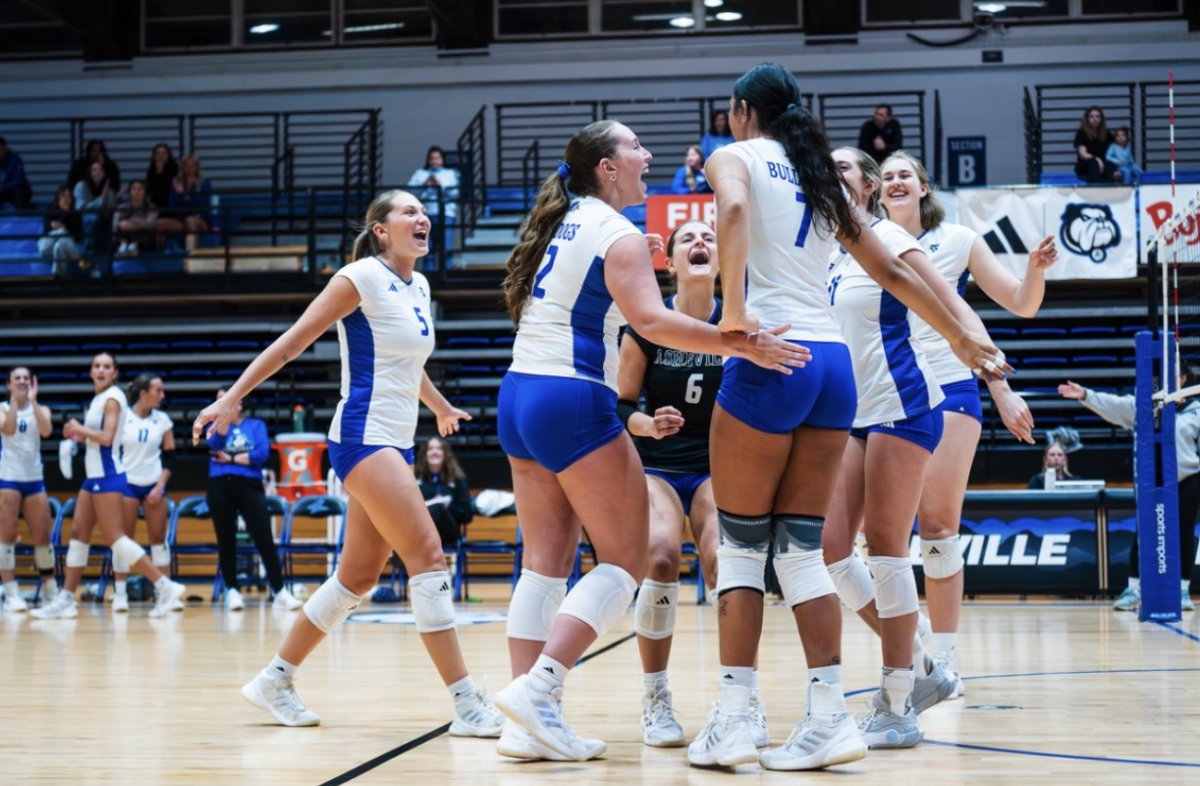


















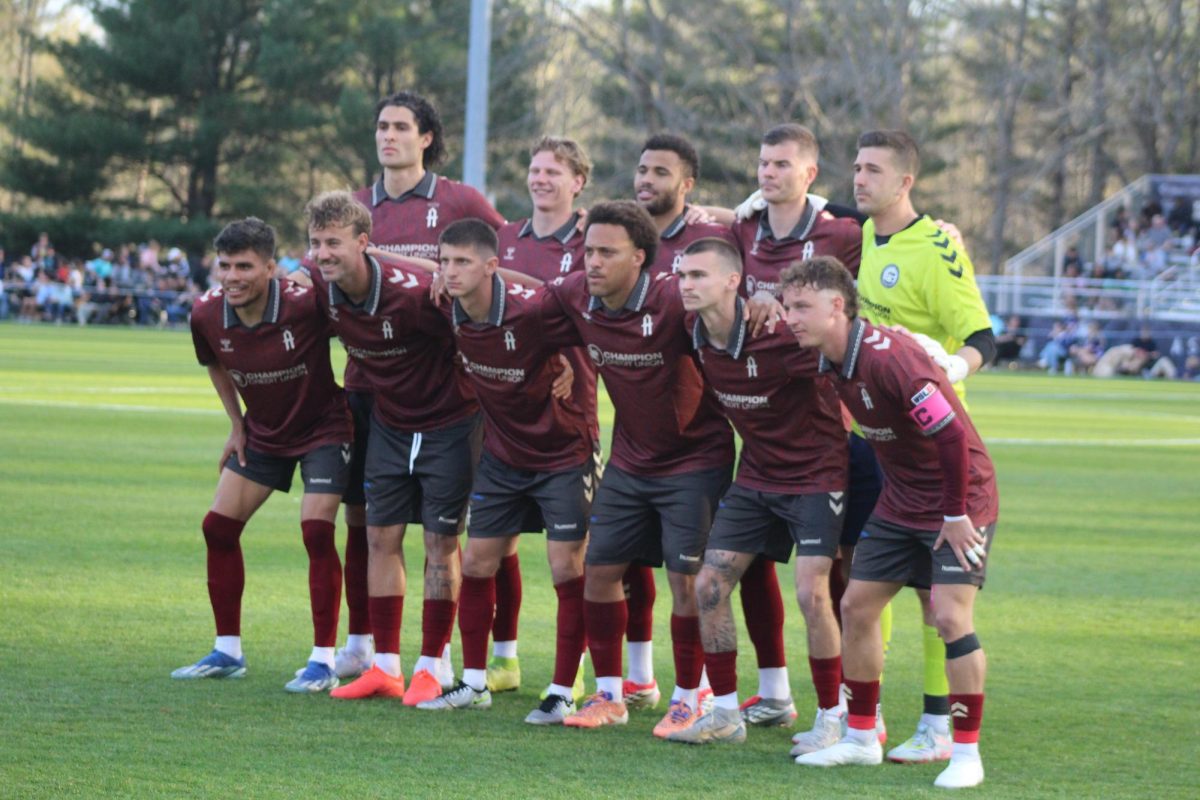

When people think of athletes, they usually picture the obvious: the uniform and all the fancy gear, the games and the competition. From the outside, it can look like this is all there is to it. Because of that, athletes sometimes get labeled as one-dimensional, or like they only care about their sport. But this idea doesn’t match reality.
Being an athlete becomes a big part of your identity, but it’s not the only part. It shapes your schedule and your mindset in ways most people don’t see. Early morning lifts, long practices, travel days and still trying to keep up with school. It’s a constant balancing act. You don’t get the option to slack off in one area without it affecting everything else.
A lot of athletes actually learn how to manage their time better than most people because they have to. There’s no way around it. You figure out how to get work done in small windows of time, how to stay disciplined when you’re tired and how to push through things even when you don’t feel like it.
At the same time, there’s a reputation that athletes don’t care about anything outside their sport, or that things come easier to them. That’s usually coming from people who don’t see what goes on behind the scenes. They don’t see the late nights after practice trying to finish assignments, or the stress of keeping grades up while competing. They don’t see how much pressure there is to perform at all times..
There’s also a mental side to it which people don’t really talk about. When you put so much time into something, it becomes part of how you see yourself. So when things don’t go well, whether it’s a bad performance, an injury or just a tough season, it can hit harder than people expect. You have to learn how to separate who you are from how you perform, which isn’t easy.
But athletes aren’t just athletes. They have other goals, interests and plans for the future. A lot of them are involved in things outside of their sport, even if it’s not always visible. Even when they move on from athletics, the habits and mindset they built don’t just disappear. They carry over into whatever comes next.
At the end of the day, the stereotypes don’t hold up. Athletes aren’t one-track people. If anything, they’re used to juggling more than most. And if you look a little closer, it’s clear there’s a lot more going on than just what happens during a game.