














ASHEVILLE, N.C. — Ongoing preservation efforts at South Asheville Cemetery are bringing renewed attention to one of the city’s most historically significant, yet long overlooked, African American burial grounds.
Led by the South Asheville Cemetery Association (SACA), the work focuses on restoring the cemetery while also recovering and preserving the histories connected to those buried there. The effort reflects a broader commitment to public history, public service, and ethical responsibility in preserving sites that have often been marginalized or neglected.
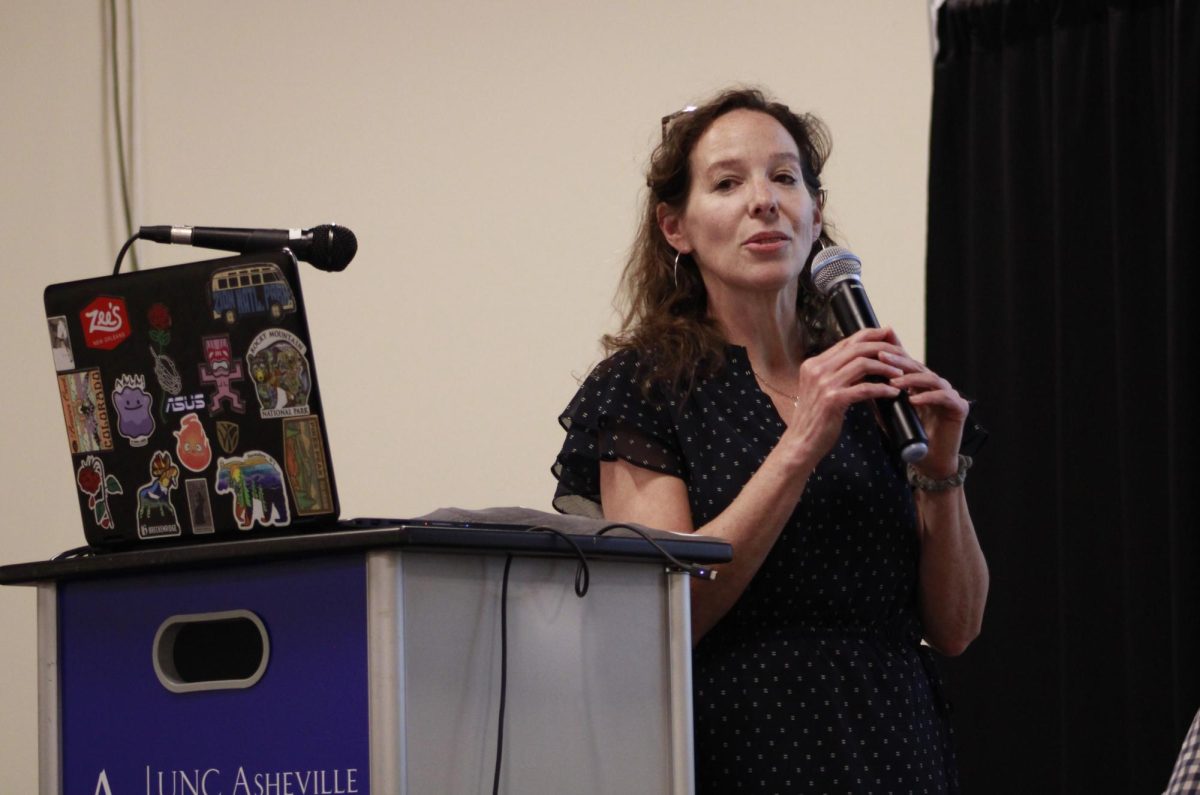
For more than 20 years, Dr. Ellen Holmes Pearson has volunteered in the cemetery. SACA’s efforts to restore and preserve the cemetery as well as the legacy of those interred there inspired Pearson, along with Dr. Sarah Judson, to establish the 828 Digital Archives for Historical Equity Project, an initiative dedicated to documenting and archiving Asheville’s underrepresented histories. Her work has helped bridge the gap between archival research and community based restoration, emphasizing the importance of making these histories visible and accessible.

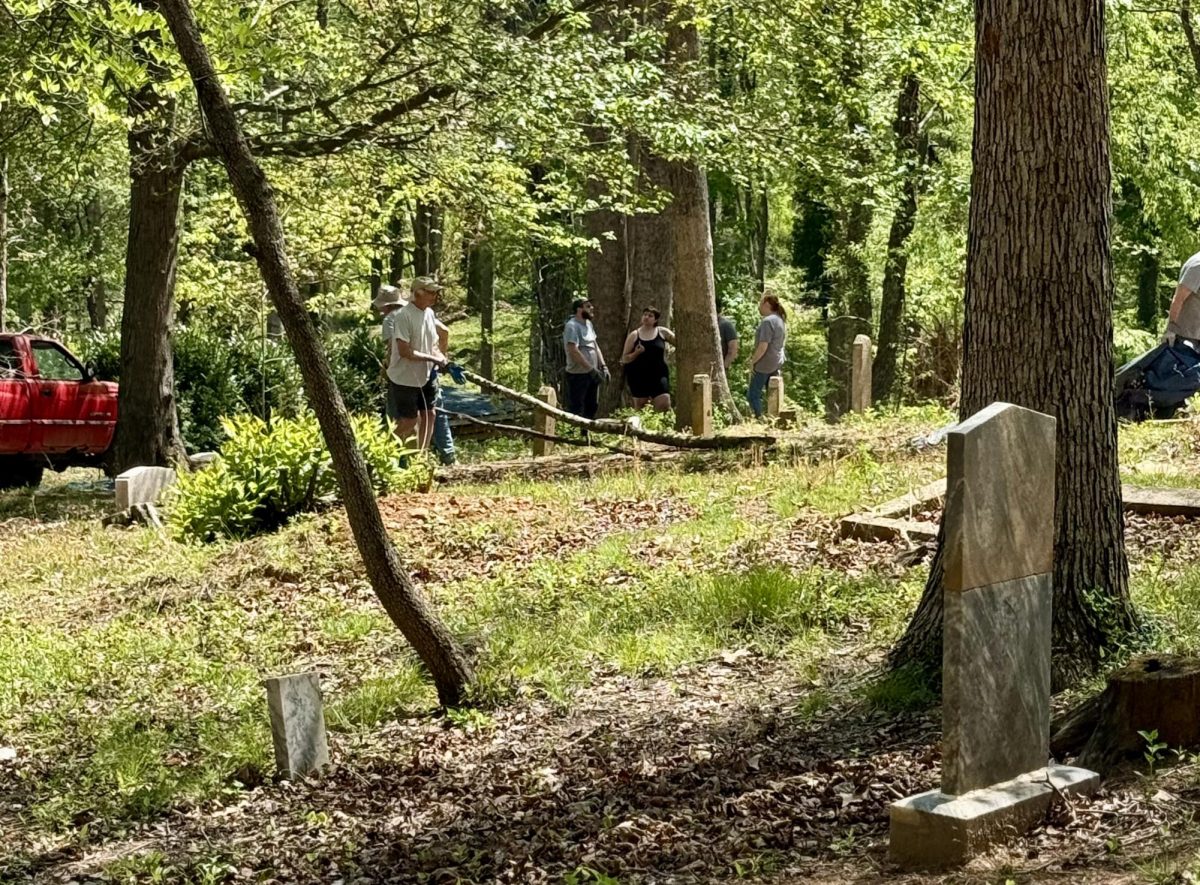
Established in the 19th century, South Asheville Cemetery serves as the resting place for many African American residents whose lives shaped the region during and after Reconstruction. Like many historically Black cemeteries, the site has faced decades of environmental overgrowth and limited preservation resources. More recently, Hurricane Helene caused significant damage, including fallen trees and displaced earth that further obscured grave markers.
The South Asheville Cemetery Association coordinates volunteer efforts focused on maintaining and restoring the site while also promoting its significance. As the organization notes, the cemetery is not only a place of burial but “a site of spiritual and historical value,” underscoring the importance of preserving both its physical landscape and cultural meaning.
Restoration efforts are ongoing and rely heavily on community involvement. Volunteers work to clear debris, remove invasive growth and carefully uncover buried or displaced headstones. In addition to volunteer labor, community members with specialized expertise, including tree removal, have donated their time and skills to support the project.
These efforts highlight the importance of preservation as both an ethical responsibility and a form of public service. Cemeteries such as South Asheville Cemetery function as cultural and historical records, holding stories that might otherwise remain unrecognized. The restoration
process not only protects the physical site but also helps reclaim the identities and legacies of those buried there.

Efforts led by the 828 Project to preserve and document historically Black cemeteries in Asheville extend beyond a single site. Similar archival and historical work is also being carried out at Old Shiloh Cemetery and Shiloh A.M.E. Zion Cemetery. Reflecting a broader commitment to protecting and elevating historically underrepresented narratives across the region.
The project remains active, with continued opportunities for public involvement. More information about the project and ways to get involved can be found through the 828 Project and the South Asheville Cemetery Association.
Through collective effort, South Asheville Cemetery is gradually being restored, offering a powerful example of how communities can come together to preserve, honor and rediscover the past. The SACA website is currently under reconstruction. For more information on the cemetery and the 828 project, go to 828archives.org.
Additional Resources:
828 Digital Archives for Historical Equity (828 Project)
https://828archives.org
South Asheville Cemetery Association
https://www.southashevillecemetery.net
828 Project Instagram (Archives for Equity)
https://www.instagram.com/archives_for_equity
South Asheville Cemetery Instagram
https://www.instagram.com/southavlcemetery/