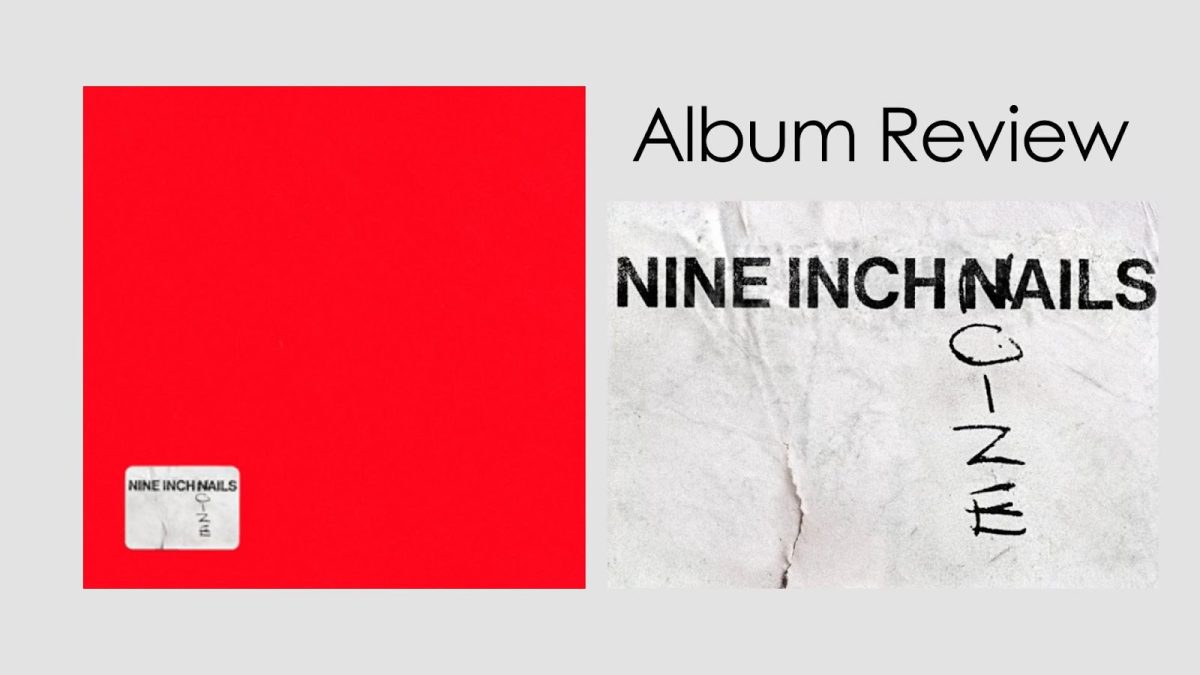











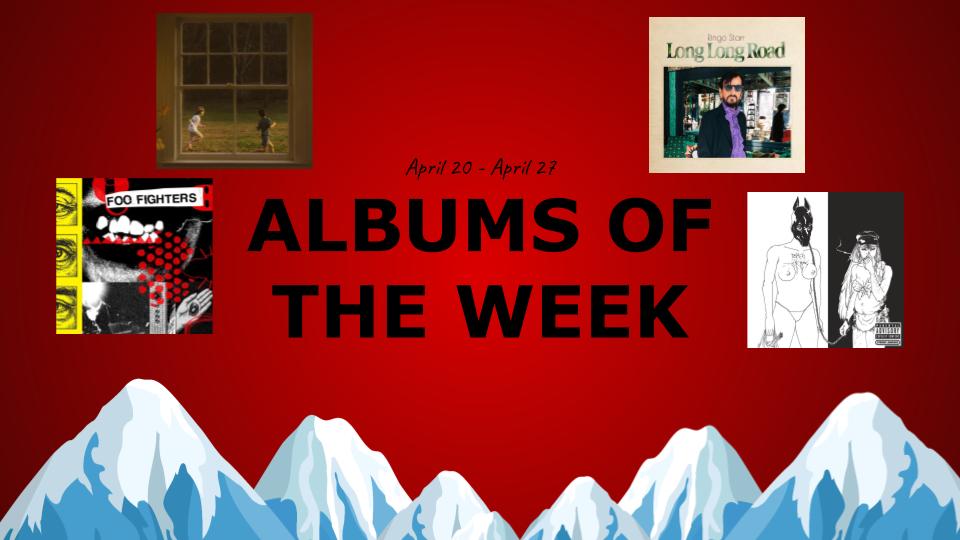

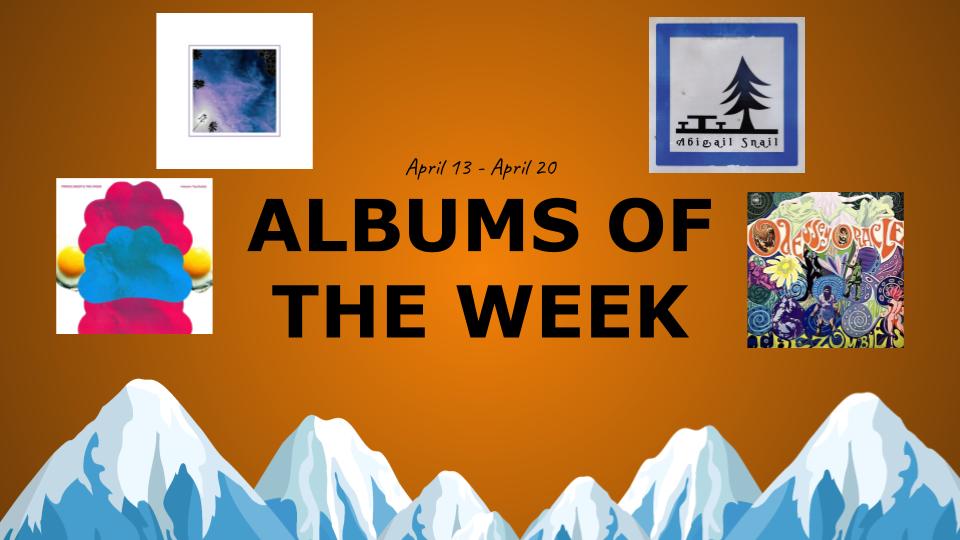




This week, I’ve got another four albums for your listening ears. There will be three new albums from the past week (on a monday to monday basis) and one classic album we’re celebrating the anniversary of.
If there’s an album YOU want to see covered that we missed (or a review that you disagree with) write a review of your own and submit it right here!
Rad Berms – Abigail Snail
7.2/10
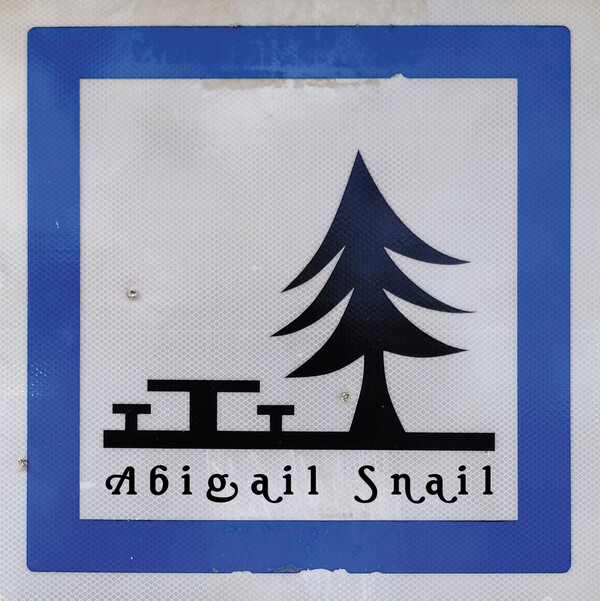
This album was very hectic, but despite it all, it was a lot of fun. Influences range from folk rock to free jazz, to new wave and post punk. While I would use this as a cause to say “there’s something here for everyone”, there’s too wide a variety in too short a time for it to be for anyone other than fans of all these genres. Small audience? Sure. Small record? Length-wise, yes, but it certainly isn’t emotionally.
This is made clear through the first two tracks. Track one “Slow Breaking to Waves” is a slow, post-rock inspired piece with simple guitar strums, sparse bongo fills and not much else. Vocals aren’t too uncommon, but they’re repetitive and mixed quietly. This musing piece is followed with harsh saxophone screams on “Soul Berm”, where the vocals are turned up to 11. I mean really, it sounds like he’s peaking. It follows a similar pattern to the top track, where there’s nothing but quiet between the occasional bursts of sound—it just so happens the bursts are much more aggressive.
Towards the halfway mark of the piece it breaks into a more traditional-sounding song with drums and a more conceivable melody, but that also goes away by the end. This is what you get with “Rad Berms”. “Good Grief” continues this trend of a more aggressive, heavy jazz rock piece, with screaming vocals and equally loud saxophone, but that’s before it dissolves into another spacey ambient piece, “Bages”. Following this is “Attach Bayonets” a folk rock song? While the rapid genre changing can feel a bit like a headache, the tone between them is kept the same and it manages to feel very coherent despite this.
There’s a few other highlight tracks, but most of them sound the same as one of the previous examples. Except for “Yikes Bikes”, which could pass for a Talking Heads song.
It’s really impressive how Abigail Snail managed to make good songs in so many different genres and it’s even more impressive how together they all sound like one album. That’s part of the beauty behind “Rad Berms”. It’s a constant, vibe-changing mess held together by a thin string that by the end of the album is more frayed than (k)not.
I’d have a hard time not recommending this to anyone despite whatI said earlier. Considering this is their debut, I look forward to a bright future for Abigail Snail!
Hotwire Trip Switch – Prince Daddy & the Hyena
7.6/10
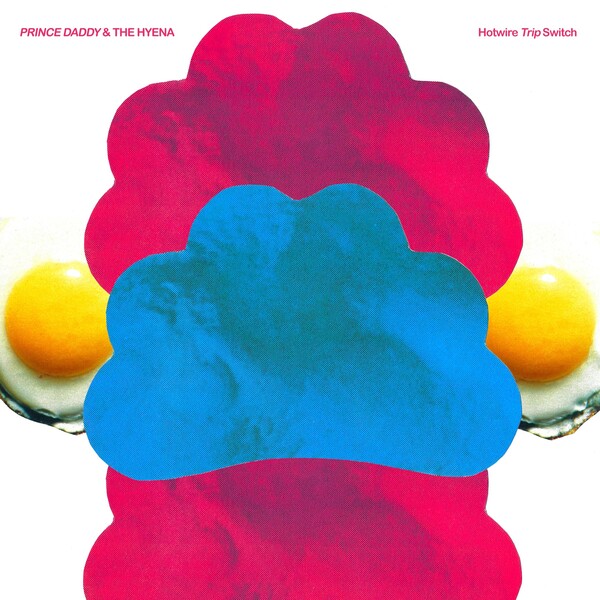
Power pop is one of those genres that can both be great or awful. The best releases from artists like Jeff Rosenstock or Weezer are timeless, fun classics that are always a treat. Well, a lot of people don’t like Weezer, but I digress. Part of the modern pop punk reinvention with artists like Hot Mulligan, Prince Daddy & the Hyena is a band that’s had some cool singles in the past and while I don’t often go back to their works to listen in full, sometimes they satisfy an itch I can’t otherwise scratch.
I’m very happy to say that I had a great time with this album. While there were no insanely high highs, every song had me bopping my head and smiling at the catchy melodies.
12 songs across 34 minutes means you’re not gonna be forced to listen to any one track for too long and while there are some songs that I wish were longer, I think it’s for the best given none of them have any ideas interesting enough to make them worth being longer than three minutes or so maximum.
While not every song features a notable riff or guitar solo, when they do pop up, it really makes a track. The descending melody on opener “24-03-04_Birthday_B4” is really great. It kicks off the song and drags you in immediately. Not only does it play during and after the chorus, but vocalist Corey Gregory sings along to the rapid melody as it plays during said chorus and it absolutely rips.
This is where the essence of “Hotwire Trip Switch” lies. Not with complex movements or crazy lyricism, but moments where you smile and think: “Hey, that part was cool!”. If it weren’t for a few notable standouts to break the pace between the more generic sounding songs, I’d have to criticize the repetition. Honestly, I think I still will because towards the back half of the record things can get really stale unfortunately. Not in a way that makes you stop enjoying it, but in a way that makes you slightly tired of enjoying the same song, again.
I really like the guitar tone here. It’s nothing outside of the ordinary for power pop but it’s still fun. When it needs to be less fun and more aggressive like the verse of “Oh, Donna” it can show out, but for the most part it’s gonna be bright melodies on a heavy but not too distorted sound.
A lot of modern power pop has the misfortune of sounding like an anime intro. Yeah, that’s still true here—but it works. That’s just the sound that Prince Daddy & the Hyena has and I really don’t mind. While some technicality like contemporaries Hot Mulligan implement, I don’t mind a break from all the mathiness for some classic, punkish fun.
Tape 05 – Board of Canada
8.5/10

While this is “albums of the week”, I’ve been known to review EPs here and there, but generally singles are avoided.
Enough of that. Boards of Canada end a 13-year musicless drought with a new single, “Tape 05”. From the moment their signature, wavy pads fade in during the intro, I felt an utter calm. Boards of Canada are so hard to hate and this track is a perfect example of that.
The drawn-back synths lead you through an empty world of old vhs records from worlds gone by. It perfectly captures that strange feeling of wondering what life is like in old pictures. We’ve all looked at photographs from days before ours and wondered what the subjects were doing before and after it was taken. To step into that photograph for just a moment would be so wonderful, but at the same time, you know that it would ruin that beauty of the picture.
This song explores that, really well. There’s not much melodically other than a light harp sample that cuts in around halfway through the piece, though it quickly fades to make way for the quieting synths to make their exit in style.
If this is just a single before another decade-and-a-half of silence, then it will go down as the “P.T.” of music. If this is teasing something bigger, however, I anticipate the duo to return with an easy album of the year contender.
Odessey and Oracle – The Zombies
8.6/10
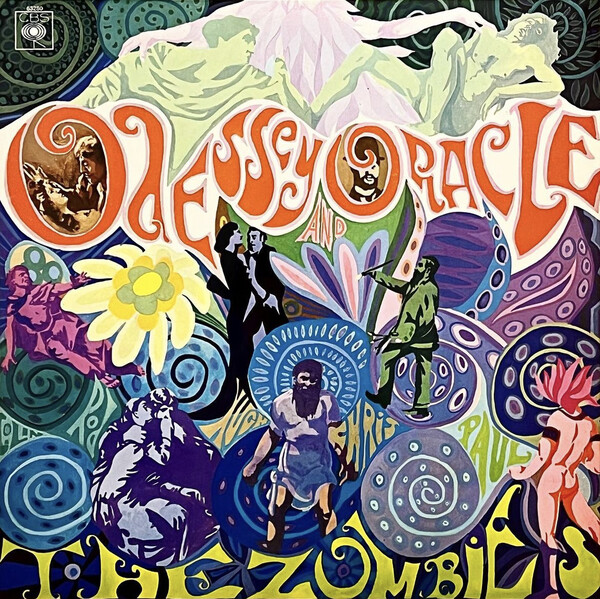
It’s easy to poke fun and laugh at the infinite number of terrible rip-offs of the Beatles during the initial “Beatlemania” era, when most of the artists were copying the rather basic merseybeat that was their main sound pre-“Rubber Soul”. The bowl cuts, matching suits and Rickenbacker guitars are hallmarks of this era. While calling rock music that came out after 1965 “Beatles-inspired” is a bit unnecessary (all squares are rectangles after all), the amount of direct inspirators would shrink and we’d instead see artists like Led Zeppelin or The Doors take rock music in new directions entirely.
Despite that, the short-lived psychedelic pop era of The Beatles from 1966-1968 had its fair share of replicators and some are more successful than others. The Zombies are perhaps the best of these groups. Not because they could mass-produce albums of extremely consistent quality like their global phenomenon counterparts, but because their singular good album—today’s subject—is actually really good.
The record is quintessential psychedelic pop. A cute, springtime affair that makes up what it lacks in orchestration with catchy melodies, thought-out vocal harmonies and trippy lyrics. What makes this record more interesting than many of its contemporaries, is that the psychedelia takes a backseat to let the pop shine, resulting in a piece that’s really more baroque pop than anything.
That’s what I love about “Odessey and Oracle” though, it isn’t trying to be sunshine and rainbows. It manages to paint a scene that while sweet on top, has a dark undertone. This is apparent with the opener “Care of Cell 44”, starting with a bright, toytime piano taking your hand into a jumpy, upbeat pop piece. Simple drumming, bouncy basslines and a gentle caressing of strings are all features of pop from the era that the Zombies really nailed here. There’s a reprise where the music stops, save for a high-octave hum, backed with bassy “bum”s before it cuts back into the main song. It doesn’t kill the pace, if anything it helps it along by giving you time to breathe between each verse.
“A Rose for Emily” is where you really start to notice how special the record is. A drumless piece, it’s filled with minor harmonies and a simple waltz-esque piano pattern as lead vocalist Colin Blunstone tells a similar story to that of author William Faulkner’s 1930 short story of the same name. There’s darkness here and the Zombies are starting to acknowledge it.
The instrumentation is simple, yes, but the tones are absolutely incredible. I would be remiss not to bring up pianist Rod Argent’s absolute mastery of the keys. Whether it’s the jumpy piano on the poppier pieces like “Care of Cell 44” mentioned above, a slow, echoey electric sound on “Beechwood Park” or a jazz-inspired organ on closer “Time of the Season”. Especially on “Beechwood Park”, the mellotron just sounds so wonderful and extremely well produced for 1968.
Bass is incredible here too. The Zombies manage to replicate the genius of McCartney’s own, with not only a beautiful tone, but a perfect balance between a melody of its own and a supporting line. Blunstone’s vocals are gorgeous too and combined with Argent’s support, they make for a really great sounding duo. While not as well produced as the instruments, they still sound great—some might argue that the lower fidelity vocals overtop perfectly produced instruments creates a rather unique vibe. While the vibe is definitely unique, I’m not always a fan of it.
One of my big issues with this record is that some songs can sound a bit repetitive. While lyrically and melodically they aren’t too close together, there is a pattern that they stick too a bit too strictly. “Maybe After He’s Gone” and “Brief Candles” more-or-less share a chorus with how similar it is. “Changes” sans the lack of drumming also fits in with these two in terms of how similar the chord progressions are.
I’m not into how the record is ordered either. The ninth track “This Will Be Our Year” is both thematically and musically a great release and would fit great as the final track, but instead it’s followed up by three of the weaker pieces on the album. “Butcher’s Tale (Western Front 1914)” takes place exactly where you think from the perspective of a soldier. They nail the dark, longing feeling of being trapped in the trenches, but the song outside of that isn’t great.
The vocals on the next track “Friends of Mine” are really cringey too. It’s about how cool it is to be friends with people who are dating. I don’t hate the lyrics here, I think it’s an underappreciated part of friendship and love to see it recognized but the singing is probably the worst it gets though. It goes for a more fun vibe and maybe because it actually is lame, or if you get whiplash from listening to it right after “Butcher’s Tale (Western Front 1914)”, but it feels out of place.
“Time of the Season” was the hit single from the record, and while I see and recognize its status as a niche radio hit from the era (and as one of the first major songs directly influenced by the Doors), it again feels a bit out of place tone-wise. That doesn’t stop Argent from absolutely ripping it on the organ on this song though.
This album—and the Zombies as a whole—are more or less entirely forgotten about in most modern music discussion. This album was their best (and only listenable) showing. While it has its weaknesses, it outnumbers those with many, many more strengths and when this album hits, I’d say it’s stronger than some of the worse Beatles songs. With some more unique choruses in the first half and a total removal of the songs after “This Will Be Our Year”, I think this album would be a classic. If you take it like it is though, you won’t be disappointed, however.