









The first time I realized how fragile distance could be was the morning I got a call from my mother. She called me frantically, letting me know that the United States had bombed Iran and that she was trying to get in contact with our family.
My grandfather, Iraj, was still in Iran. The country was in chaos. The airspace was closed, the borders were sealed and the buses had halted their routes. He was planning on visiting us in North Carolina for a month, a brief reprieve from the tension that had been building for years.
When he called the airport to check on his flight, he was told that no flights were entering or leaving. The only way out was by car.
It was a terrifying prospect; the roads were unpredictable, yet he went. His driver took him north, through the mountains towards the border of Turkey. The journey took hours and when they got to the border, only he was allowed to cross. His green card was his lifeline, a small piece of plastic that separated safety from confinement.
On March 10, he landed in the United States. My family exhaled for the first time in weeks. We hugged him at the airport; his face was calm. He carried with him the quiet resilience of someone who had lived through history repeating itself.
For Iraj, this wasn’t the first time Iran had been in turmoil.
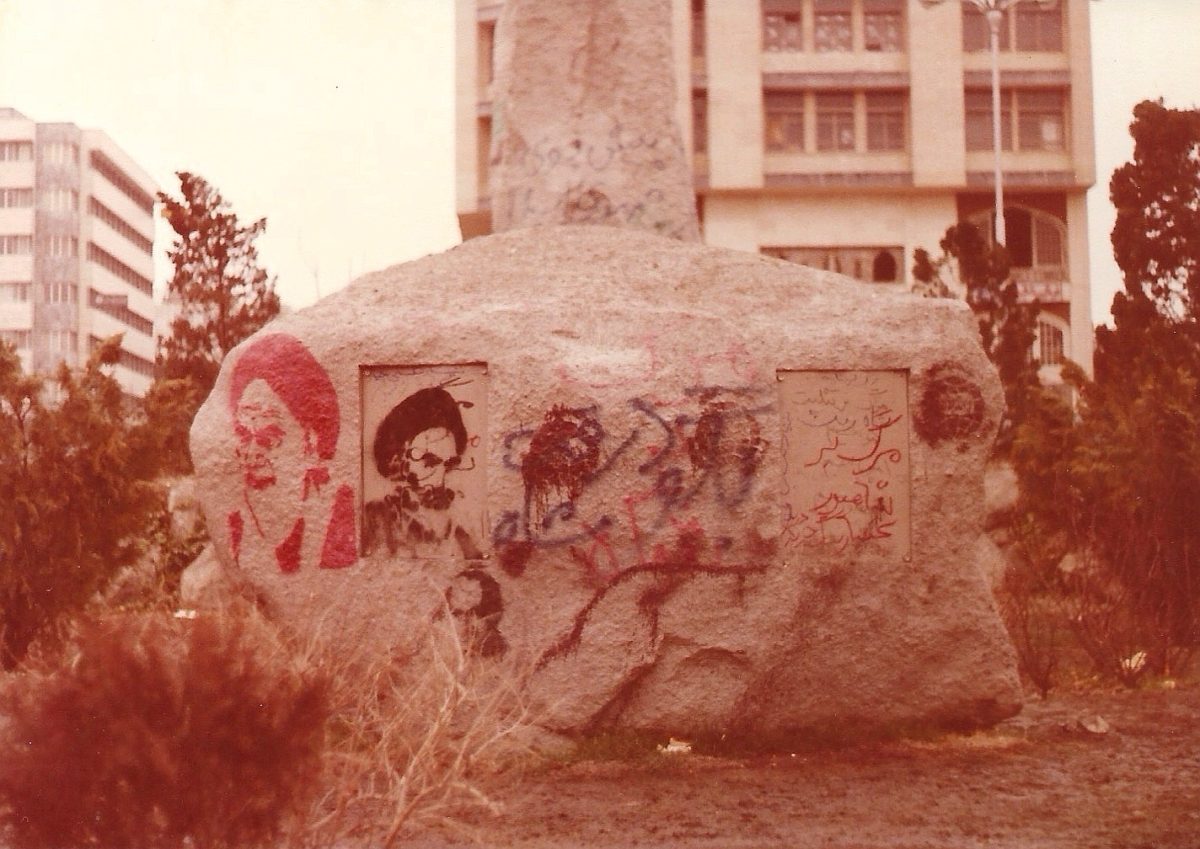
He was a young man during the Iranian Revolution. He watched as the monarchy fell, as the Shah fled and the streets erupted in protests. He saw friends disappear, neighbors whisper and the country fracture along lines that still haven’t healed.
Before the revolution, Iran was a place of elegance and ambition. The architecture told stories of dreams, Golestan Palace with its mirror hall, the ayeneh-kari glittering like sunlight trapped in glass.
After the revolution, the palace remained, but the country around it had changed. The beauty persisted, but it was layered with grief. The buildings became monuments of endurance, reminders of what had been lost and what had survived.
His wife’s relatives, along with his relatives, are still there. His siblings, cousins and friends are all rooted in the same soils that has seen both revolution and war. On April 15, he boarded another flight, this time heading east.
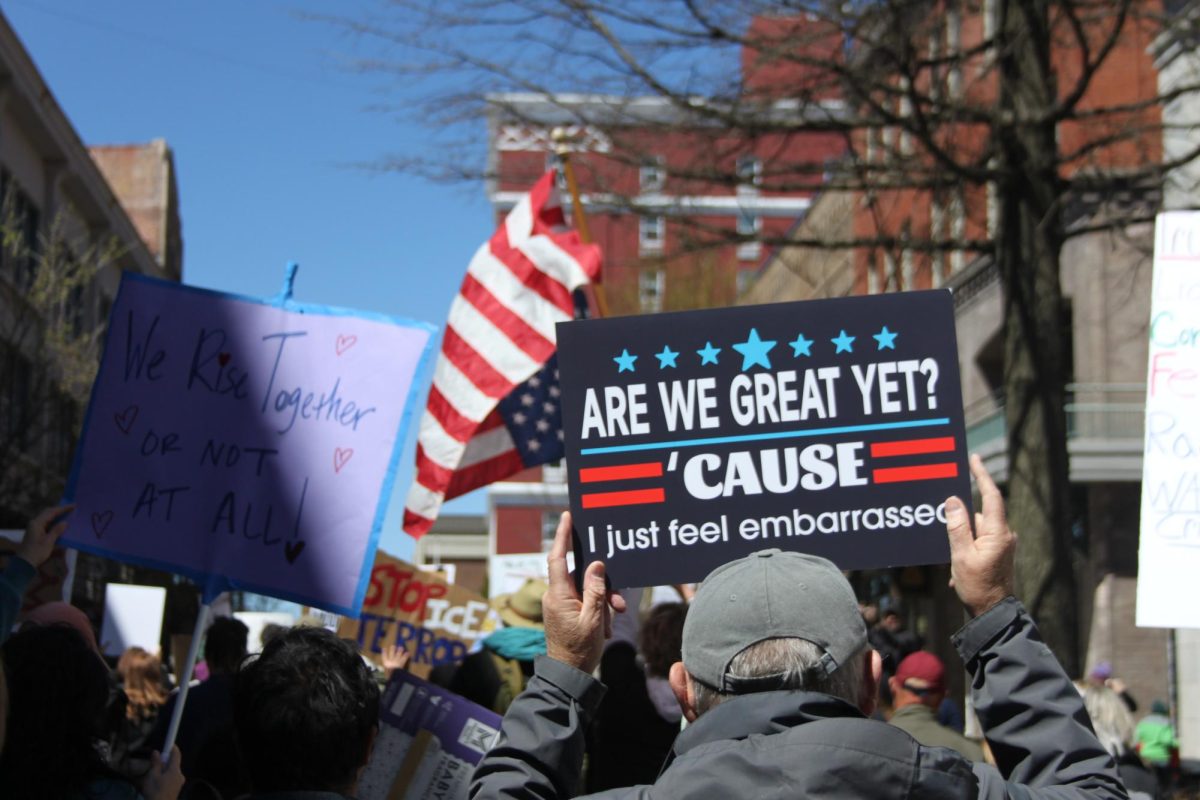
Now, as protests fill the streets, the parallels are haunting. Flags are being burned, and the air is thick with anger. It’s the same rhythm, the same fury and the same uncertainty that defined 1979. History does not just repeat, it echoes louder each time.
For my family, those echoes are personal. One of my grandfathers fled Iran decades ago, seeking safety in America.
When I think of Iran now, I think back to the mirror hall in Golestan Palace. I think about the light fractured across the walls, how each shard reflected a different version of the same image. That’s what Iran feels like to me, a country of reflections, each one showing a different truth.
The country is experiencing the same apprehensions it felt 47 years ago during the first revolution. The world is watching, but for those of us with family there, watching feels helpless. Every phone call carries the weight of uncertainty. Every silence feels like a warning.
War has a way of collapsing time. The past and present blur together until you can’t tell which one you’re living through. Fear and hope are all a part of the same script, just rewritten for a new generation.