













UNC Asheville has an identity both to those around it and those who attend. This identity is changing. For better or worse.
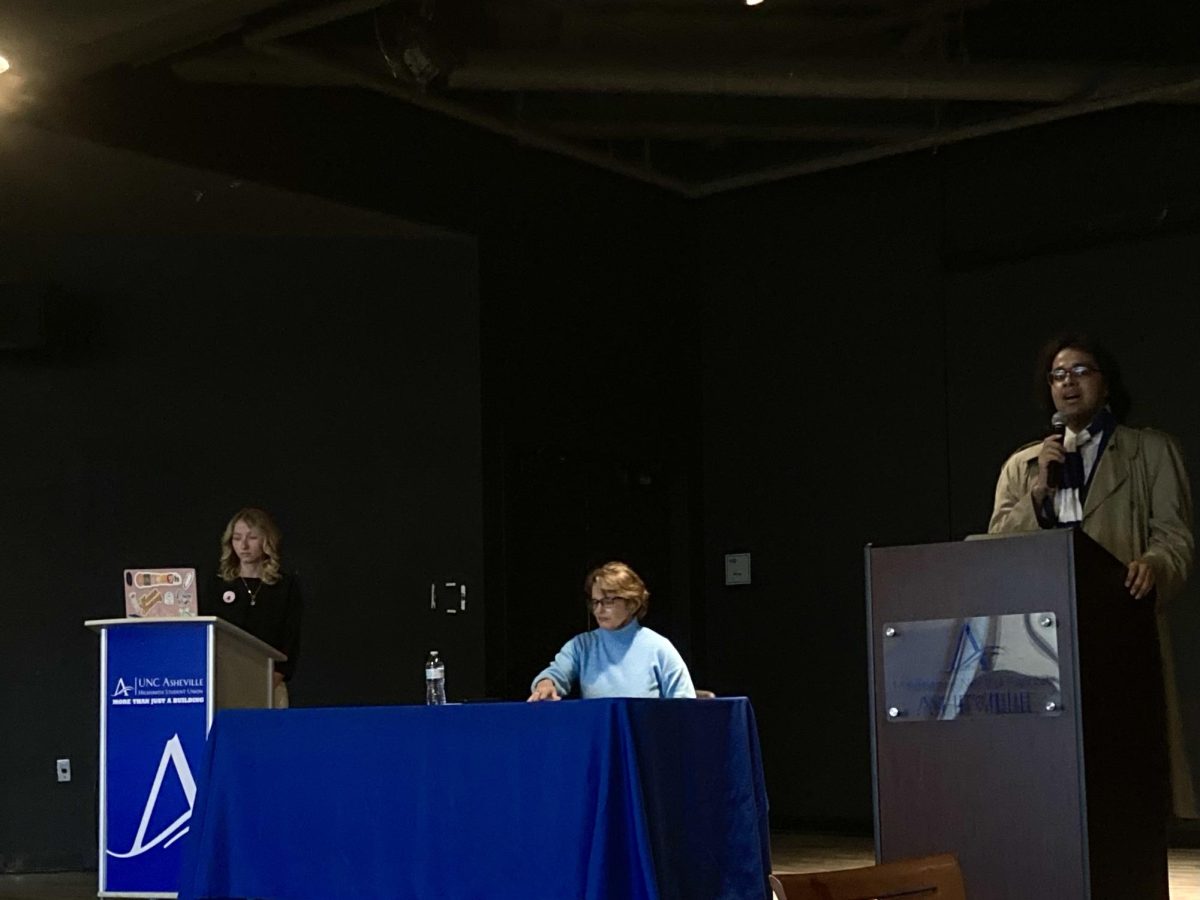
“I’ve seen a lot of changes in my time here. Some of that has been faculty rights. I’ve seen several faculty members come and go since I’ve been here. There’s also been some instability in leadership. I think I’m on my third provost, I think second or third chancellor. So, there’s been some changes there,” said Giovanny D. Pleites-Hernandez, assistant professor of political science.
Campus has changed a lot in recent years, especially in leadership.
“I do think some of the other changes such as the one I mentioned on the financial aid front and some of the stuff that we’ve seen that we can nest in like the culture wars and that aspect, I think gives students pause and has, at least from anecdotal situations or conversations, made some students evaluate whether this is a place where they want to be,” Hernandez said.
Hernandez speaks on how current federal bills and policies being implemented will affect students in big ways. One example of this is changes in financial aid, causing current and future students to evaluate more closely their decisions concerning higher education.
“I do readily go to some of the pushback against Diversity, Equity and Inclusion and some of the changes that we’ve seen come from the federal government and some of that pressure also from our state legislature. In the time since I’ve been here, 2019, 2020, we’ve had new leadership and we had certain programs and offices that were in place that are no longer here,”Hernandez said.
Students at UNCA see the campus and city of Asheville as being inclusive. The removal of DEI by the federal government has been met with pushback from students, as they view it to be in contradiction with the campus’s values.
“Campus identity, I think, is in flux. So, with that in the background and considering the changes that we’ve seen to the old liberal arts course to the new core curriculum, removing the humanities from the curriculum, I think, we’re now moving in a different direction,” Hernandez said.
Students and faculty both understand things are changing on campus.
“We’re in the thick of it, figuring out our identity as an institution. I think that trickles down and can impact what students choose to come here or choose to stay here,” Hernandez said.
These changes on campus are catalyzing a new identity for UNCA. This new identity, for better or worse, will influence students’ future decisions regarding UNCA and their enrollment.
Students are unsure what is next; some say administration is striving to turn campus into a likeness of others.
“I think Kimberly Van Noort wants this place to be Chapel Hill. She wants this place to be NC State. I think it doesn’t pay well to be a super progressive, well, hippie school. Asheville is defined by its progressive, open culture,” said Marcos Martinez, a junior political science and drama major, the president of the Young Democratic Socialists of America and the 2026-2027 student body president.
Students say UNC Asheville and the city are defined by very left leaning, progressive views. Students say that those who appointed Van Noort don’t align with these views.
“Kimberly Van Noort was appointed by a Republican board of governors. In the past few years, we’ve seen that there’s this big attempt to sort of reframe from the perspective of all of this that is meant to bring equity to people who have historically been discriminated against is actually unfair. If we give everyone equal things, then it’ll be fair. If we give everyone $10, everyone will have $10, but some people start out with a million,” Martinez said.
Some students say the fact that Van Noort was appointed by a Republican board of governors is what influences a lot of decisions on campus. Efforts have now changed policies and procedures that were put in place to help marginalized groups. Changes to trans student housing policies enacted by the state board of governors are a prime example.
“By the time I came here, they were down, but before I came here, there were the pride flags and the BLM flags that were hung up on the library. They were taken down supposedly because they needed to be cleaned, but then Kimberly Van Noort announced she wouldn’t be putting them back up because they were making a political statement and the university does not make political statements. Here’s the really funny thing about the phrase ‘political statement.’ Everything in the world is political,” Martinez said.
Students say the administration’s past actions concerning political speech is a bit misleading and hypocritical.
“So, in practice, ‘political’ is anything that goes against the status quo in their minds,” Martinez said.
Students say that the administration’s attempt to abstain from taking political stances is only seen in cases where the political speech present is against the status quo. Speech promoting BLM or Pride, students say, is against the administration’s agenda or status quo.
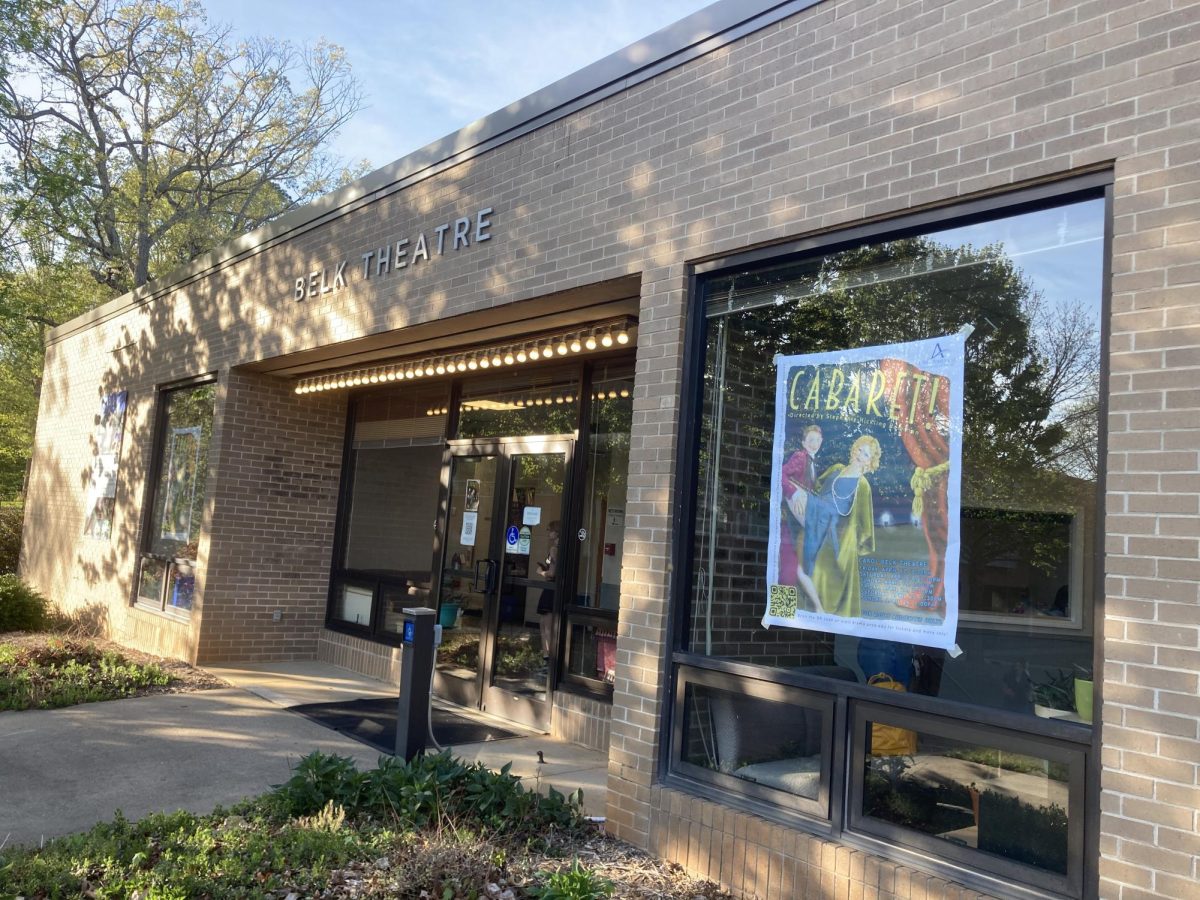
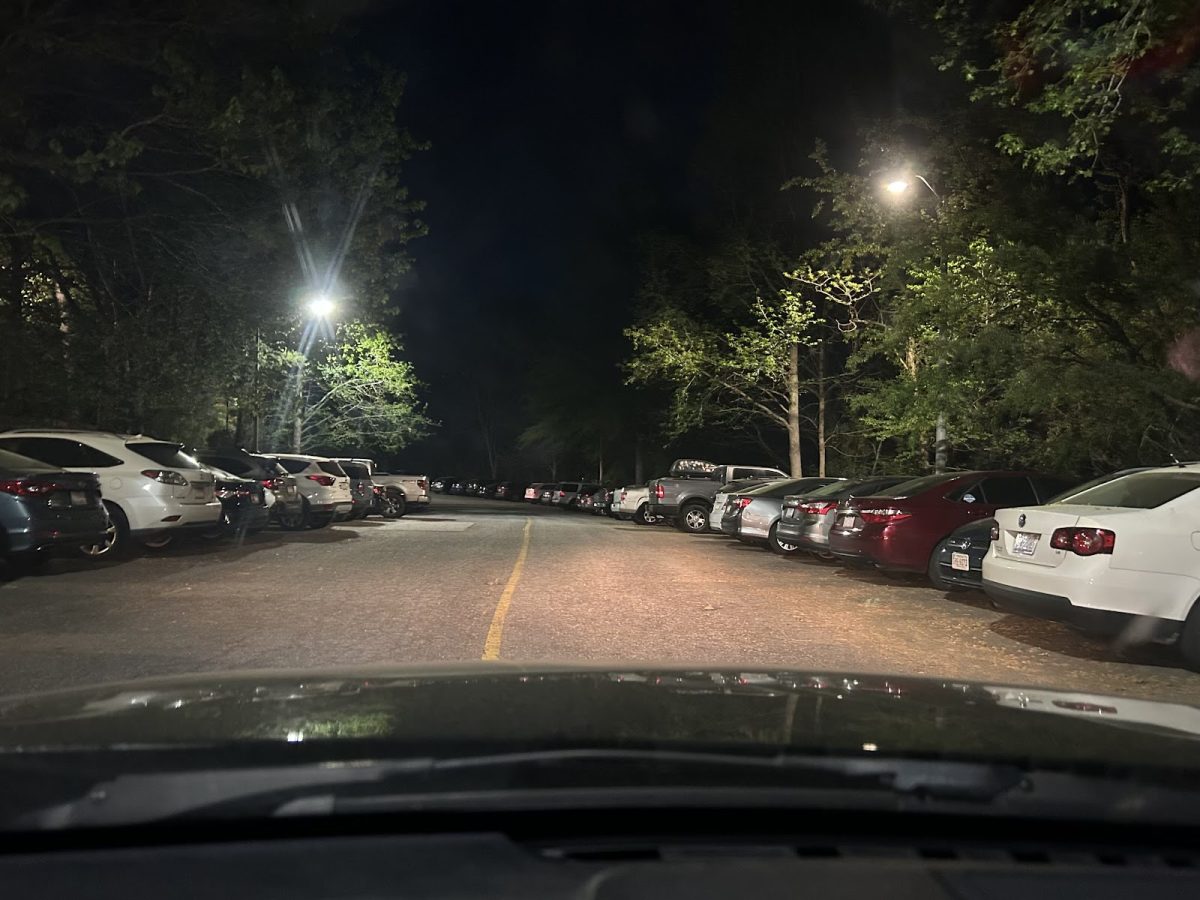
“I’ve heard pretty clearly, from tons of people, from students on this campus, faculty on this campus, people I know from other schools or who don’t go to school at all or who are still in high school, from parents of these people, from other adults. They all say, UNCA is this progressive, woke, hippie school in a progressive, woke, hippie town. I tell them the drama department was cut and they’re like ‘What!?’. I tell them they’re cutting down 50 acres of woods, and they’re like ‘You’re joking with me!’. So, I think UNCA has a clear identity,” Martinez said.
To many people both connected and adjacent to UNCA, the decisions that have been made seem to conflict with the perceived identity of the campus. To many, the cutting of the woods and departments like drama seem like out-of-place decisions, given how it seems that UNCA is seen as a progressive, hippie school.
“I’d say lots of people here are very—they like to speak out against injustices,” said Evan McGlothlin, a 19-year-old mass communication major at UNC Asheville.
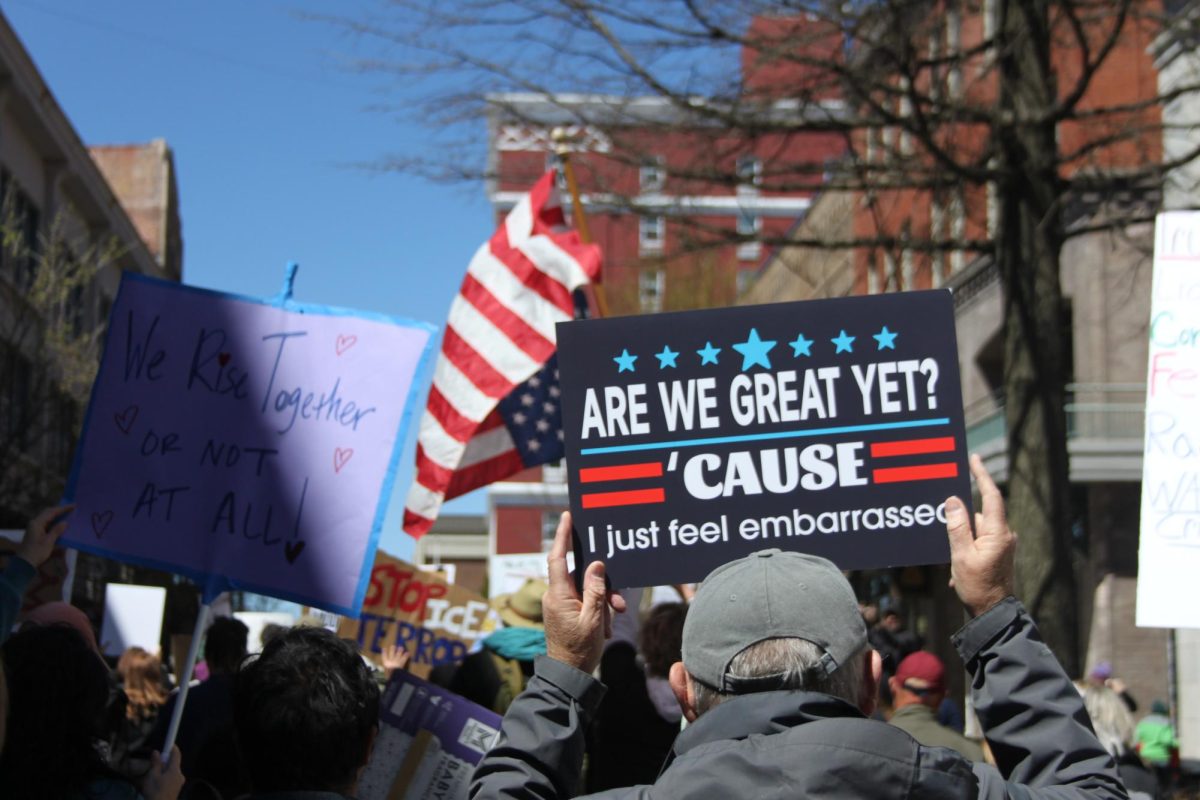
Students at UNCA are not afraid to speak out against injustice. Many often participate in protests on and off campus.
“It’s in a more liberal city as well. It’s gonna draw more people who are more liberal or leftists,” McGlothlin said.
Students say that politically, the student body leans left. The city of Asheville also leans left. This is going to attract more left-leaning students with a liberal mindset.