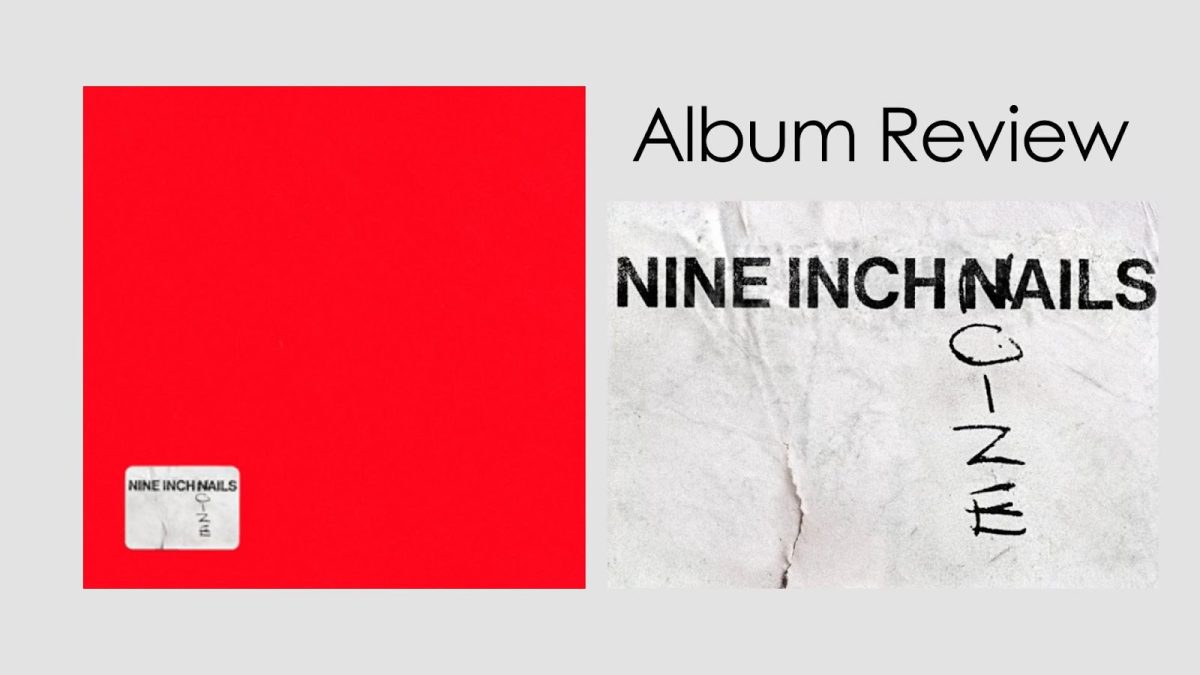













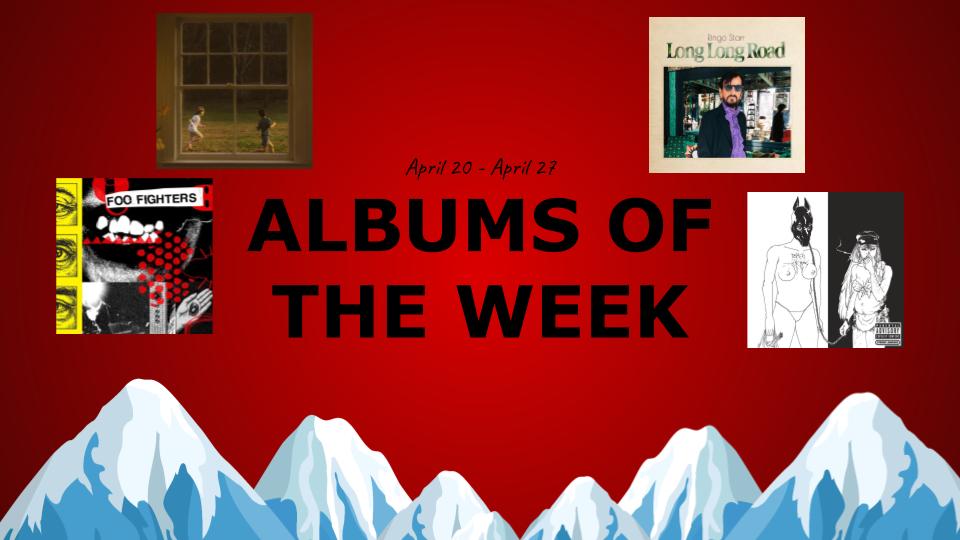

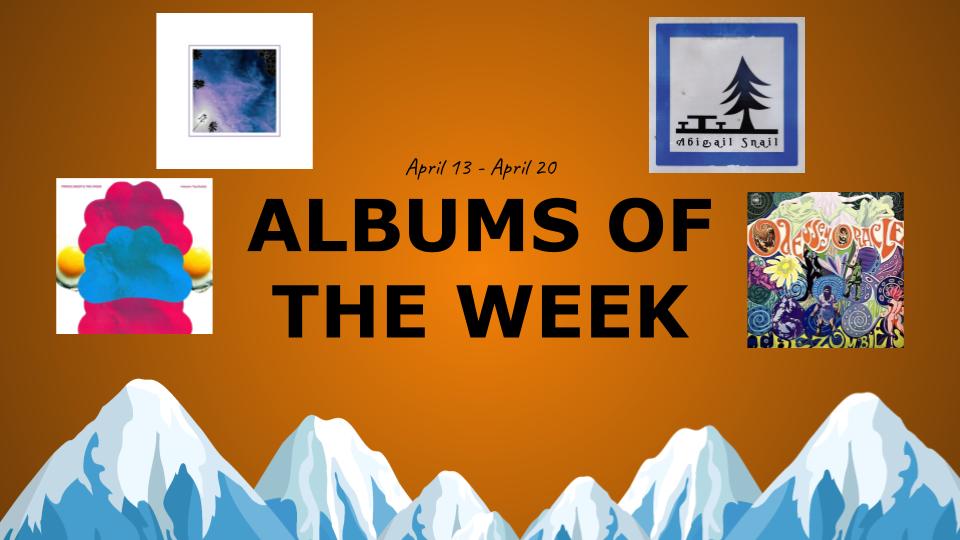






This week, I’ve got another four albums for your listening ears. There will be three new albums from the past week (on a monday to monday basis) and one classic album we’re celebrating the anniversary of. Unfortunately, due to thanksgiving breaks and exam season this is the final Albums of the Week release of this year. Thanks for all of the support you’ve shown me!
Just a reminder: if there’s an album YOU want to see covered that we missed (or a review that you disagree with) write a review of your own and submit it right here!
Cabin In The Sky – De La Soul
8.6/10

De La Soul’s run in the ‘90s marks some of the best rap of its era. Fresh, catchy and uncompromisingly fun– all of their work manages to consciously address the issues of its era while staying joyous in tune. Their last record was all the way back in 2016 and in 2023 founding member David Jude Jolicoeur passed. This album (as you may be able to tell from the cover) grapples with that in parts.
Right from the opening track “Cabin Talk (album intro)”, which features actor Giancarlo Esposito taking roll call of all the rappers who featured (which is a hugely impressive list with everyone from Nas to Black Thought), the group doesn’t shy away from acknowledging Jolicoeur’s death. As you might expect from that format, the intro ends with Esposito repeatedly calling out for “Dave” to answer. During “Will Be” the duo say “We with Dave always (Thank you, Dave)”.
Despite this, they still keep their classic sense of humor and energy that’s present on almost every track. Their signature skits still appear but for the most part they’re relegated to the start and end of tracks– and are much shorter, providing a punchier feel track-to-track. More witty lines are to follow and I could talk about their lyricism all day, but I’ll focus on the highlights.
“Take it back to when the B-Boy became a C-Note chaser?” (from “The Package”). “Now here’s your bestie saying the mess he caused is the reason you should be lesbi-” (from “Just How It Is (Sometimes)”) and “Buried in our minds, nestled in our hearts, Even in our soul, truth lives in, every part, So when you out lying, you know how it goes, Truth lookin’ at you like Pinocchio’s nose” (from “The Silent Life of a Truth”). That’s just a few of their displays of lyricism.
The instrumentals are also beautiful here. There’s a really great amount of variety here. Gorgeous strings overlay simplistic drums on “YUHDONTSTOP” and “Sunny Storms”, whereas tracks like “Good Health” and “Run It Back!!” go for a more traditional jazz-rap feel with striking bass lines and a focus on fun, powerful drums. Even within tracks, there’s a healthy amount of beat and tempo changes to keep things interesting verse-to-verse. “Cruel Summers Bring FIRE LIFE!!” starts out with an upbeat vibraphone focused sample before slowing the beat down and jumping into a segment that samples Roy Ayers ubiquitous (no pun intended) “Everybody Loves the Sunshine”.
If the constant references to De La Soul’s past discography and David Jolicoeur’s passing weren’t enough to pull on your heartstrings, the final track, following the titular “Cabin In The Sky” is actually a then-unreleased solo track from Jolicoeur, produced by himself too. A beautiful way to send off an album and a landmark in their career and all of hip hop; is what I WOULD say, but De La Soul has actually teased another album on their Twitter page.
There’s no question that hip-hop wouldn’t be where it was today without the influence of De La Soul. Even the earliest jazz rap groups like A Tribe Called Quest, Organized Konfusion and Gang Starr. Give this album a listen, for Dave Jolicoeur.
Tranquilizer – Oneotrix Point Never
8.2/10
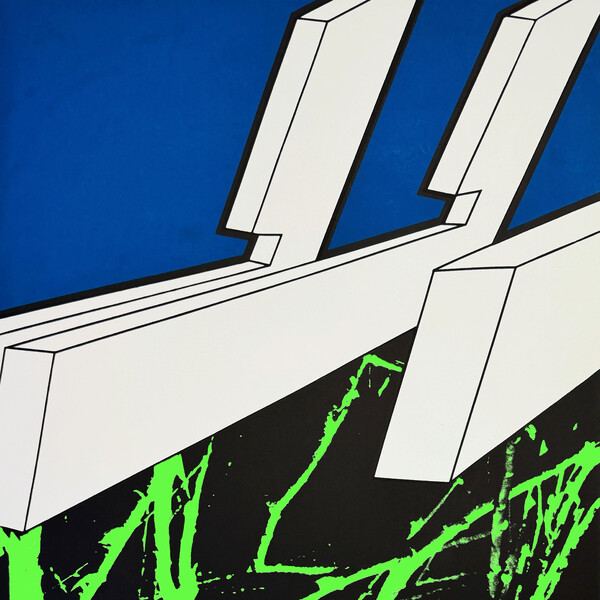
When it comes to all the subgenres of electronic music, the distinctions get so fine that I struggle to define them all clearly. I can best describe this album to you as a progressive ambient electronic piece, with influences from IDM and glitch. Now I understand to many of you that will sound like a lot of nothing– in layman’s terms, it’s electronic music for snobs.
Now, normally I don’t go for electronic music. My experience with that genre starts and ends with Daft Punk– and I think a lot of us had a vaporwave phase back in the day, right? Regardless, I was not expecting to like this album as much as I do. It’s inventive, intriguing and keeps you on the edge of your seat while staying mellow.
While the music is all electronic (and of course some sampling), there’s a huge amount of variety in the kind of sounds that Oneotrix Point Never is producing here. The title track “Traniquizer” features a synthesized pitched percussion sound that emulates a marimba, and “D.I.S.”and “Fear of Symmetry” have these gorgeous classical piano melodies. Scattered throughout in addition is a healthy variety of synths, with everything from fluttering caliope leads, to aggressive saw riffs and futuristic squares.
While there are progressive swells throughout the college of technology, most of the flare ups are scattered throughout this vaporous, spacious world, never overstimulating you, but never making you wait too long. It’s truly a cohesive experience which not only is hugely enjoyable but also incredibly impressive from a compositional standpoint.
I’ve seen a lot of people refer to this album as the soundtrack one would experience while flying through a broken computer from the early 2000s and to be honest– I can’t put it in better words than that. If that sounds like something interesting to you– give it a go.
Balloon Balloon Balloon – Sharp Pins
8.1/10
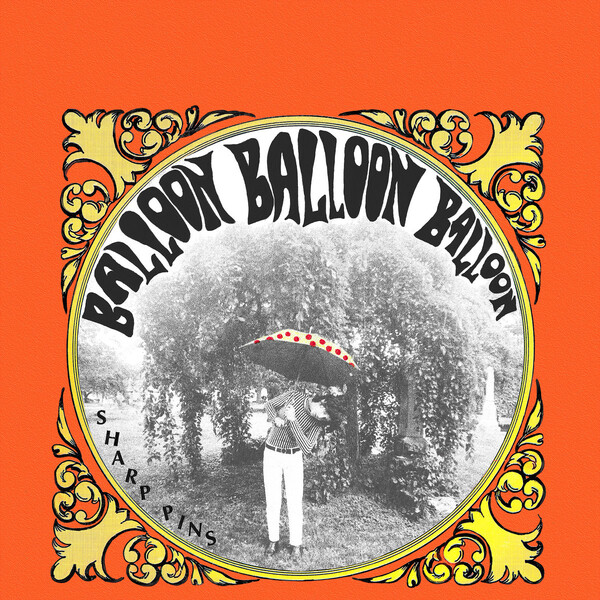
Fresh from the Chicago indie scene, Kai Slater, releases his fourth album under the pseudonym Sharp Pins. The power pop/slacker rock project from Slater has been pretty successful in the past, nothing groundbreaking of course but sometimes you want to listen to high quality power pop without listening to Weezer.
This record actually leans away from the power pop flavorings of previous records and instead delves into a ‘60s inspired indie rock track that is both fresh and reminiscent of that classic late ‘60s psychedelic pop sound.
With a garage-psych mindset, Slater reels the production quality back in giving us a very lo-fi sounding album. At times the actual poor quality of the recording outweighs the novelty of a lo-fi record and at even more times the recording quality of multiple instruments are inconsistent, which can sound awkward and uneven.
The actual songs follow a pretty traditional structure, with catchy choruses, fun verses and memorable guitar solos. None of the songs feel particularly repetitive or overstay their welcome (albeit none of them are extremely exciting either). though there are some rare exceptions. Even then during the less-interesting tracks there’s usually something that catches my attention: whether it’s a particularly nice vocal harmony, cool drum fill or that classic Beatles minor fourth.
I really meant it when I said that this album was Beatles-esque. A lot of these tracks sound like pop rock from that era, with a strong influence from albums like “Revolver”– and even beyond The Beatles drawing from the likes of The Kinks, The Stooges and even The Smiths with some janglier tones on tracks like “Popafangout”. Not to take away from Slater’s sense of identity, but intentional or not he gives a vocal performance along the lines of John Lennon– with backing harmonies emulating McCartney’s.
While the quality of individual tracks are typically high, there’s an overreliance on its influences that takes away from the album reaching higher quality. These are all reasonable criticisms I’ve brought up but goddamn do I love ‘60s psychedelic pop! I won’t start on a tangent about how much I love The Beatles, but a lot of that causes me to overlook some of the less stellar parts of the album (those drum mixings can really get grating at times).
If you like the “Revolver”-era fab four, I’d give this record a listen because it really does emulate that era to a tee– and what can I say, I’m a sucker for it.
Get Up With It – Miles Davis
9.5/10
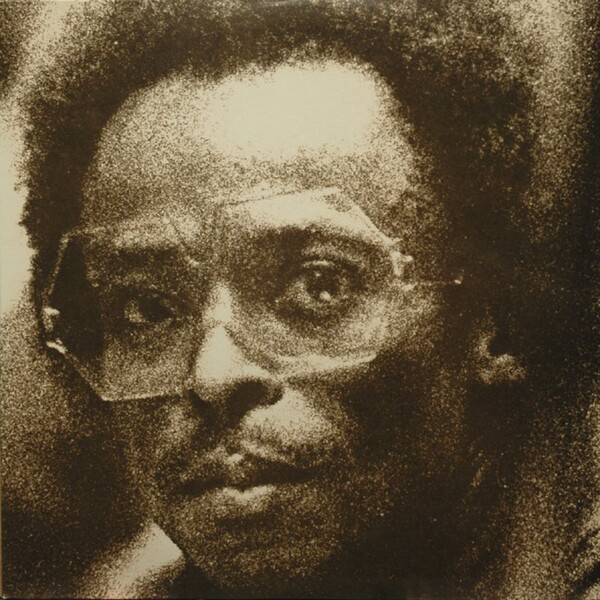
Like most genres– jazz comes in all shapes and sizes, especially in the ‘70s. After Miles Davis reinvented jazz with 1969’s “In A Silent Way” (after he already reinvented it in 1959). The old conventions of the genre were gone and it was like a wild west. Jazz-rock, jazz-funk and all kinds of jazz-fusion evolved rapidly over the next decade. While Miles Davis would have his fair share of high quality albums from the era, in a strange twist, one of the best Miles Davis albums of the ‘70s is a compilation of unreleased tracks from his other albums of that time.
In order to truly appreciate the artistry that lies across the two hour runtime of “Get Up With It”, you first need to listen to his other records from that era. Let’s look at “Bitches Brew”, from 1970. It’s brash, bold and refuses to compromise resulting in an avant-garde wall of noise, filled with brass hits, bizarre synthwork and bluesy guitar. “On The Corner” released two years later and is much of the same– though it leans heavier into a punchy, psychedelic funk sound opposed to its predecessor’s more drawn out displays of force.
Due to its nature as a compilation album, “Get Up With It” delicately walks between and through these sounds, taking you on a journey that simply can’t be described in one word.
When you open the door to this album, you walk into a warm, dusty room. The sun from some window glares brightly at you and stumbling through the old wooden attic you feel like you’re constantly about to wake up from some dream– but you never do. The opener, “He Loved Him Madly”, is a 30 minute exploration of this dark sound. The name is a tribute to jazz composer and pioneer Duke Ellington (who died earlier in 1974), for he would tell his audiences “I love you madly”. It’s one of my favorite jazz songs of all time and is absolutely cryptic. Davis himself– though a trumpeter at heart– is responsible for the dark organ sound that stretches across the entire song. Fading in and out as the other instruments sporadically pop up in between the reverbing guitar riffs.
When you finally make it through that, you’re treated to “Maiysha” , a track with heavy funk elements and a gorgeous organ tone that literally screams “wah” while guitarists Pete Cosey and Reggie Lucas hold it together with groovy chord changes and a more aggressive strumming pattern. James Mtumue also brings some unique percussion, like tabla and various bells that give the track a very unique feeling.
The progression to jazz-funk is followed by a jazz-rock piece in “Honky Tonk”. It starts with a drumless jam between the various instruments, most notably the highly distorted electric guitar chugging along with the other instruments arguing with each other. When the drums come in, Davis’ trumpet soon follows and the entire track falls into place. However– if you thought you were safe, think again. “Rated X” comes not long after with its screaming organ, desperate drumming and panicked wah-guitar. Admittedly one of the more rough juxtapositions on this album.
The other side is much the same– opening with the slower “Calypso Fremolo” before we dive into more rock heavy tracks and finishing with the more out-there “Billy Preston”. Admittedly the second side is not quite as good as the first. “Red China Blues”, while unique for its use of jazz harmonica, is a bit boring. The aforementioned finale “Billy Preston”, while a fine track, has a terrible ending where the instruments fade out of nowhere and is just over.
The ordering of the tracks– particularly on the second side– is what brings down the listening experience the most for me. Of course, they were likely ordered this way with vinyl pressings in mind, meaning they couldn’t put the 15-minute “Billy Preston” where the five minute “Rated X” is without needing another vinyl, but a fault with good reason is still a fault.
It’s difficult to find jazz that sounds like “Get Up With It”. Not only is the music itself two hours of eclectic, dissonant avant-garde tunes, but with the recordings being from studio sessions spanning four years, the playstyles and ensemble change track to track. This inconsistency both helps and hurts the record. Herbie Hancock and John McLaughlin from “Bitches Brew” appear, but only for one track. Billy Cobham from “A Tribute to Jack Johnson” also shows up– also only for one track. It provides some nice variety track-to-track but hurts the compilation when looking at it like an album.
When it comes to getting into jazz, there are two schools of thought. You can start with early ‘60s cool jazz records before you get into the bizarre– or you can jump straight into the deep end with the avant-garde. Should you choose the latter: here’s where to start.