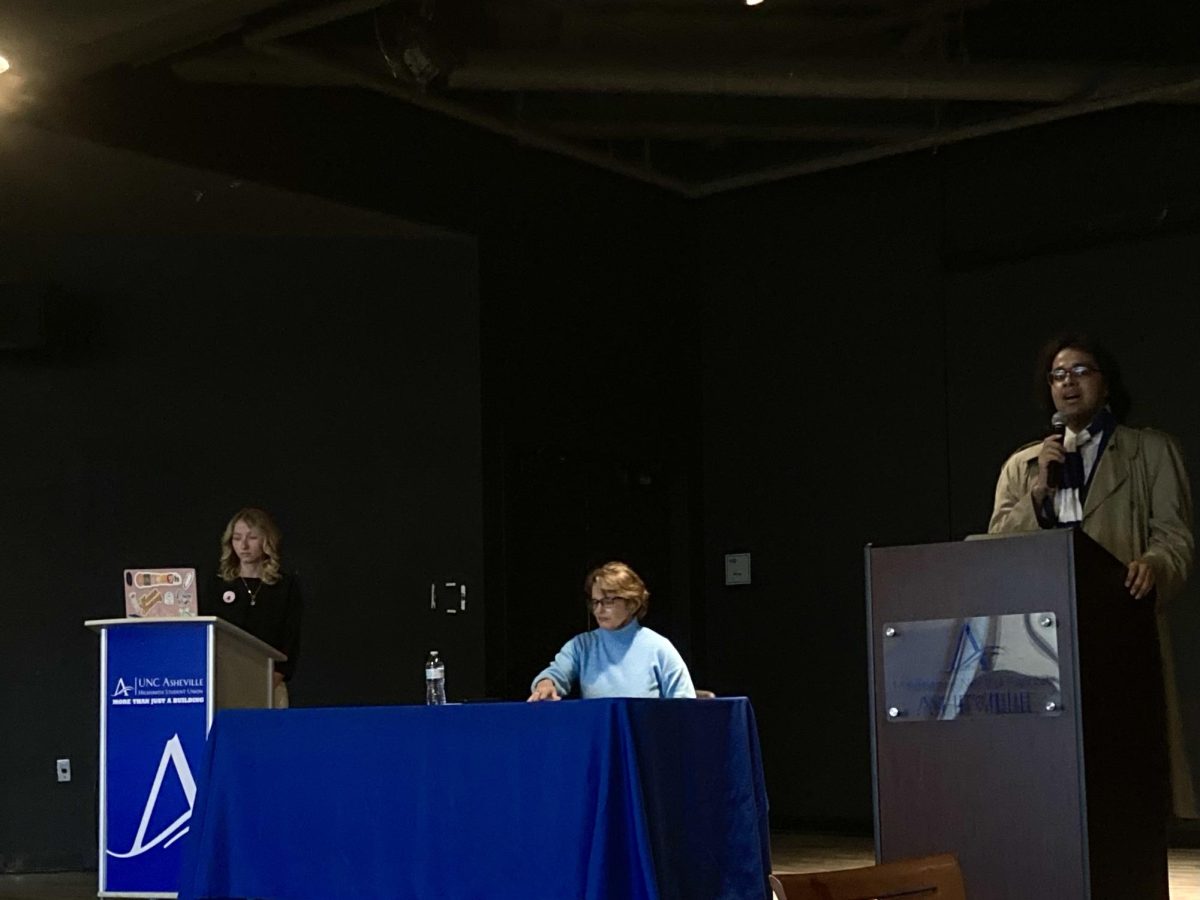


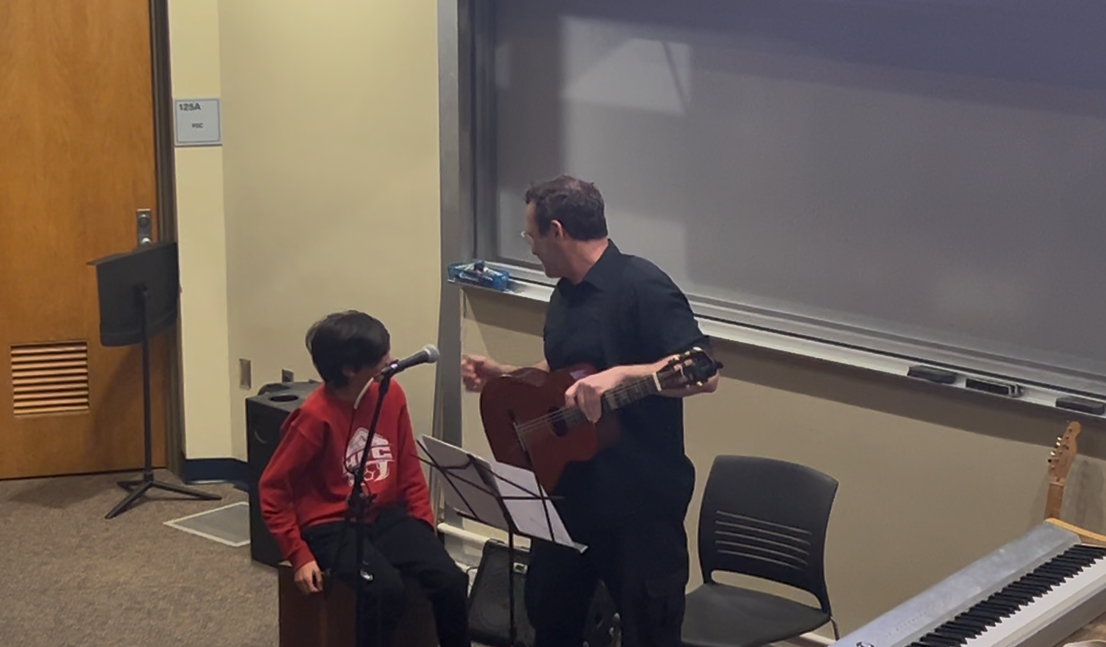

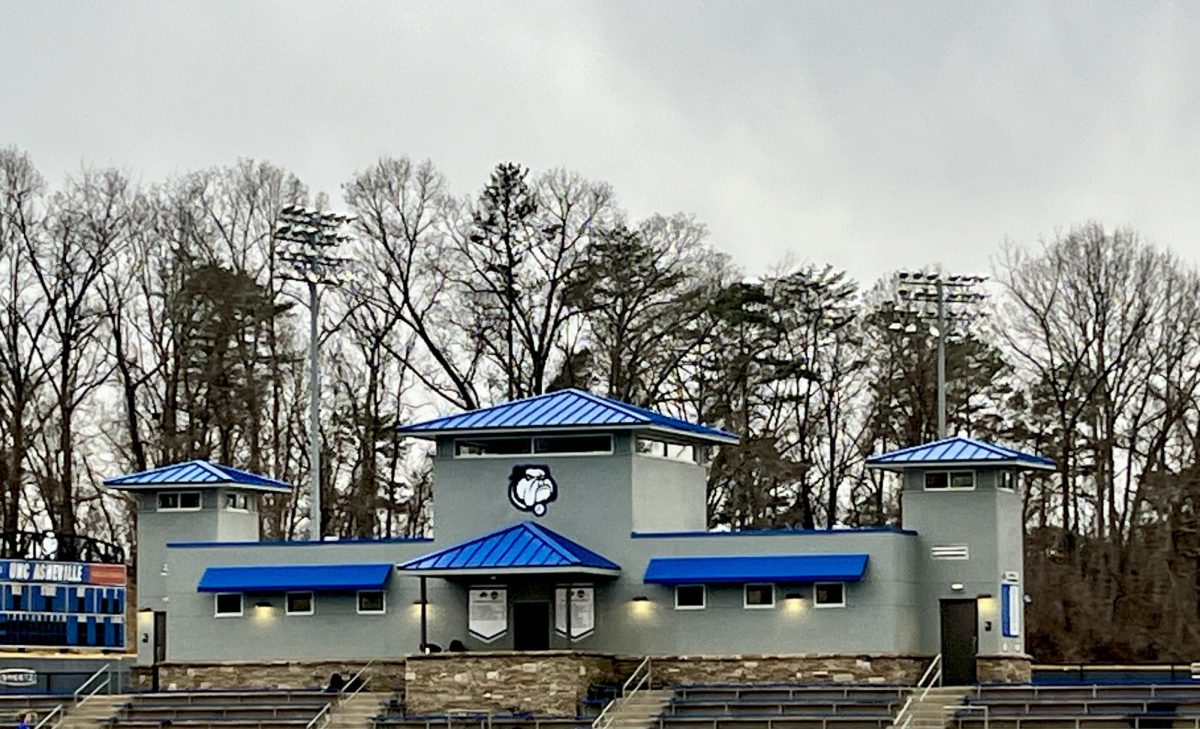















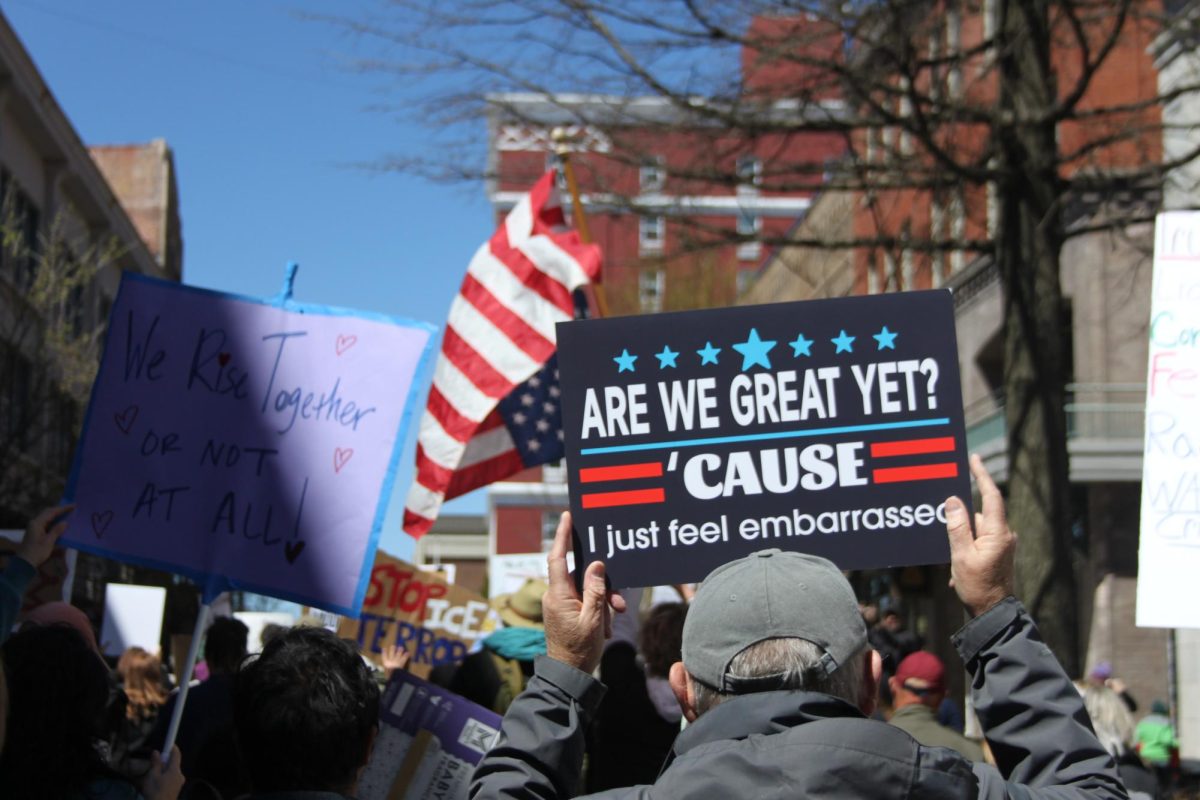

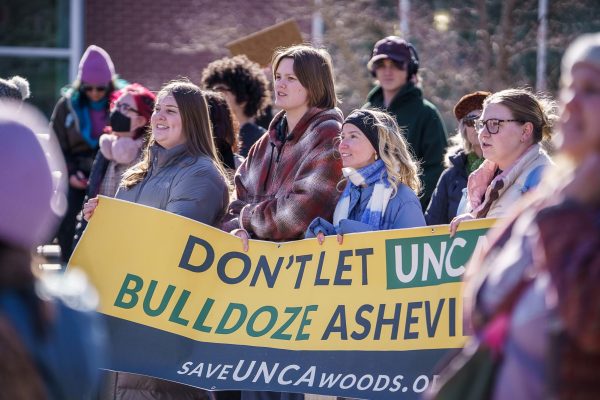
UNC Asheville students walked out of class Friday to protest university plans to develop 45 acres of forest on South Campus, drawing hundreds to Reed Plaza outside the Highsmith Student Union.
The student-led walkout targeted a proposed $250 million public-private partnership that includes a soccer stadium, housing and retail. University officials have said the project is intended to boost enrollment and support long-term financial recovery following Hurricane Helene, while students and advocates argue it threatens a core part of campus identity.
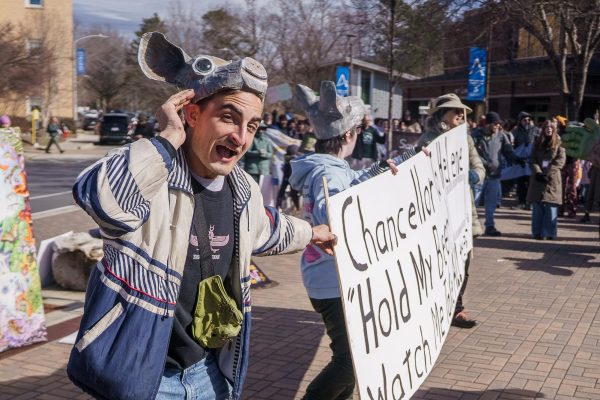
The protest also followed the recent removal of an art installation known as “Batland,” which organizers said symbolized the cultural and ecological importance of the woods.
Spencer Beals, a full-time artist in Asheville’s River Arts District who lives in his van and helped organize the protest, said the turnout reflected strong student and community concern.
“Hundreds of people came,” Beals said. “It was awesome to see the wider community integrating with the student body and have the student body feel that the city is behind them in meaningful ways.”
Beals said he began organizing the event about a week earlier after learning about the development plans.
“Stand up for your urban forests,” he said. “The best time to put the most protection on all of our urban forests is right now because the pressure to develop only ramps up through time.”
He also cited specific wildlife sightings as evidence of the forest’s ecological value.
“I’m on a nine-day streak of seeing a great horned owl nest,” Beals said. “I’ve never experienced something like that.”
Students said the forest is central to UNC Asheville’s identity and their decision to attend the university.
“It’s a massive part of the identity of the school,” said Billie Statema, a junior transfer student from Mitchell Community College who grew up hiking in Washington State. “That’s why I chose to go here, and you can’t take such an integral part of the school away from it.”
Statema said she planned to walk out of class during the protest and had classmates follow her.
“I had planned to walk out in the middle of class, and people followed me,” she said.
She said the forest represents more than green space, citing personal and historical connections to the land.
“I spent my entire childhood in the woods and in the mountains,” Statema said. “This is Cherokee land. This is just further land that we have stolen and are now misusing and destroying.”
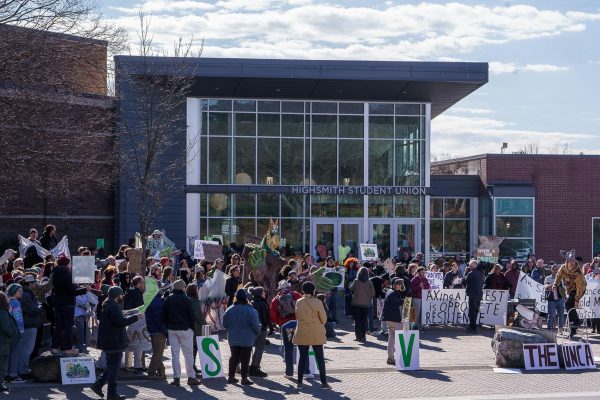
In a statement, UNC Asheville said the protest was not sponsored by the university but complied with its free expression policies.
Advocates with the Save UNCA Woods campaign said more than 16,000 people have signed a petition opposing the development and are urging the university to consider alternative sites already cleared for construction.
Beals said he expects additional protests and events to continue.
“When students are brave and stand up for things,” he said, “it opens up space for way more conversation.”