


























Mental health has become an increasingly visible issue in college athletics as student-athletes face growing pressures both on and off the field. While participation in sports can provide structure and community, the demands placed on college athletes often create significant stress. In recent years, the NCAA transfer portal has reshaped college sports, offering athletes greater mobility while also introducing new mental and emotional challenges.
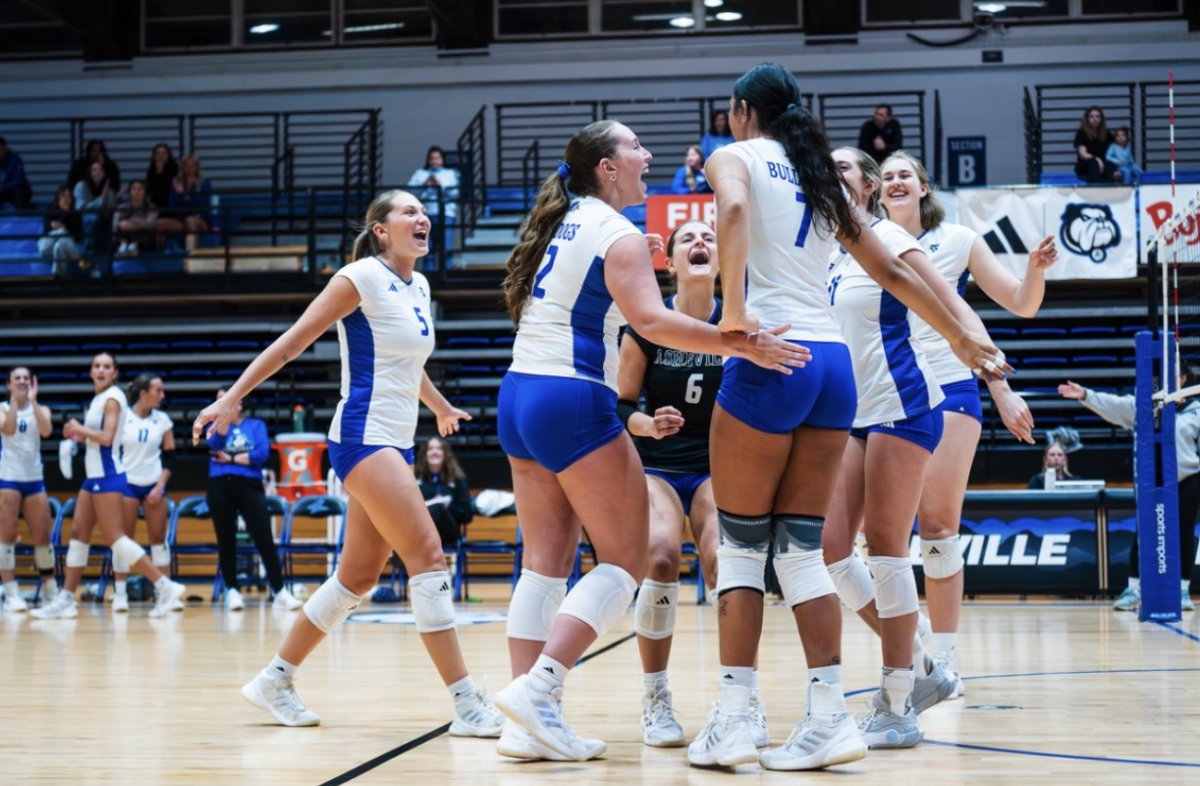
“It’s super important that athletes have a space for their feelings mixed in with their crazy schedules. Mental health awareness for athletes, I think, has grown exponentially over the past few years. However, there’s so much work still to be done and I’m really proud to be a part of that,” said Megan Oppegard, a junior mental health ambassador on the UNCA volleyball team.
College athletes manage rigorous schedules which combine academic responsibilities with practices, travel and competition. Performance expectations from coaches, teammates and fans can heighten anxiety, particularly when playing time and scholarships are uncertain. Injuries and public criticism may further affect athletes’ confidence and mental well-being.
In response to growing concerns, the NCAA has taken steps to prioritize student-athlete mental health. In early 2024, the NCAA released an updated Mental Health Best Practices document developed by the NCAA Committee on Competitive Safeguards and Medical Aspects of Sports. These best practices reflect a consensus from the Mental Health Advisory Group and emphasize all member schools must provide access to appropriate mental health resources and education. Under the NCAA constitution adopted in 2022, institutions across all divisions are required to foster environments which support both physical and mental health, with Division I schools required to attest to providing these services beginning Aug. 1, 2024.
The transfer portal was designed to give student-athletes more autonomy. For some, transferring can improve mental health by allowing them to leave unhealthy situations. However, the uncertainty of the portal can also increase anxiety. Athletes who enter the portal face pressure to secure new opportunities, often without guarantees of scholarships or playing time. This uncertainty, combined with public attention and social media, can intensify stress and self-doubt.
So many student athletes turn to the portal in times of need, including Asheville’s very own redshirt sophomore baseball player, Gunner Millsap.
“For me, my experience in the transfer portal was overall beneficial for my mental health. Like many other college athletes, my time at my first school did not go in the way I had hoped it would. Knowing that I had the opportunity to transfer with no penalty or year-long ineligibility was definitely a relief that kept my unhappiness or uncertainty in that situation from becoming overwhelming. Granted, being in the transfer portal is very stressful as you’ve surrendered all security and are essentially betting on yourself to end up getting recruited to a more ideal school or opportunity. Despite it all, since my arrival on campus after transferring to UNCA I have enjoyed every minute and regained my love for my sport that I thought I had lost, so I can conclusively say that the portal impacted my mental health for the better.”
As college athletics continue to evolve, addressing mental health must remain a priority. While policies like the NCAA’s best practices represent progress, ongoing support and clear guidance are essential to help athletes navigate both competition and transition. Supporting student-athletes’ mental health means recognizing them not only as competitors, but as individuals whose well-being matters beyond performance.
Joe • Feb 10, 2026 at 9:30 pm
I am really happy this issue is being exposed. So interesting to hear this from a transfer portal perspective. Thanks for the read.
Michael Traxler • Feb 5, 2026 at 8:13 am
Very interesting article. It presents a perspective I had not previously considered. Well done.
Aurelie • Feb 3, 2026 at 7:02 pm
Very insightful and pertinent. So many emotions are involved in an athlete-student life, keeping a healthy balance is key!
Katie Reyes • Feb 3, 2026 at 6:38 pm
This is a great story!