






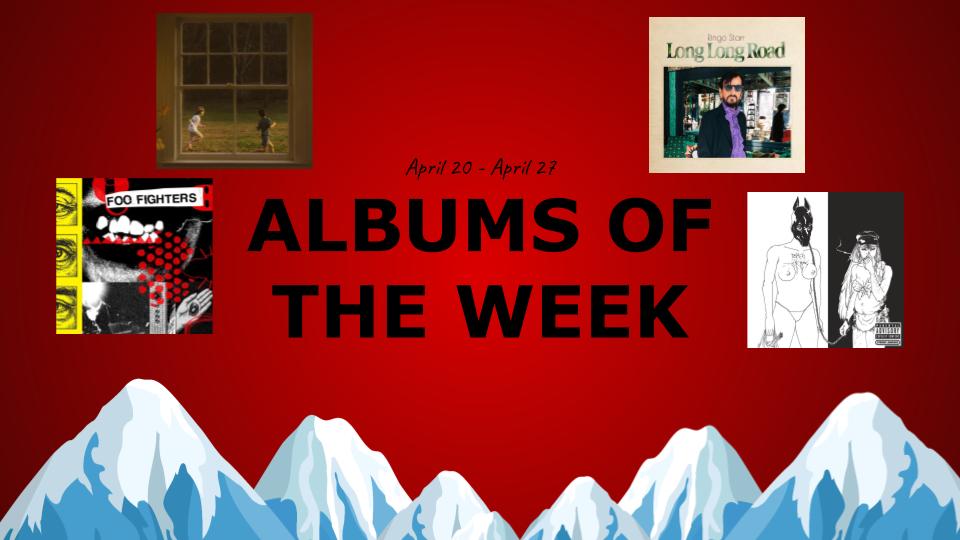

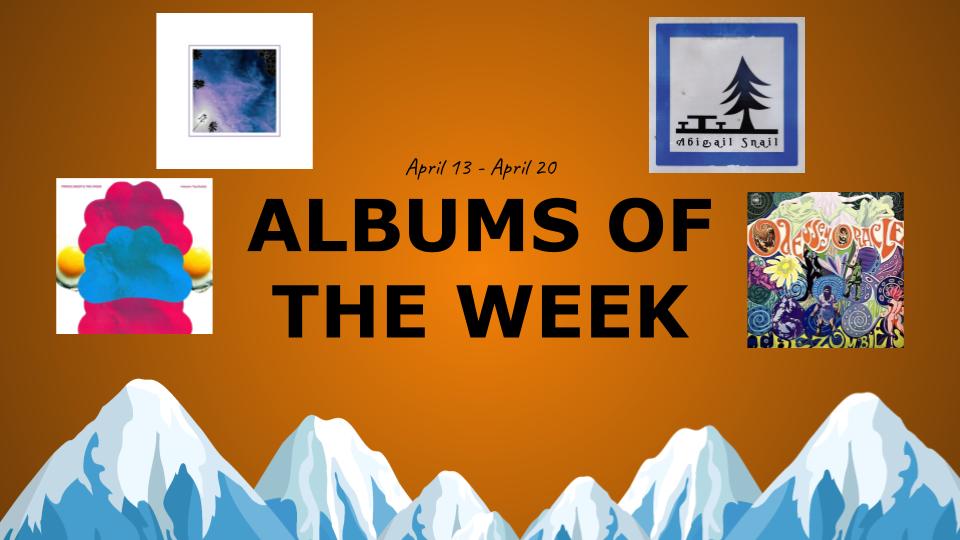



This week, I’ve got another four albums for your listening ears. There will be three new albums from the past week (on a monday to monday basis) and one classic album we’re celebrating the anniversary of.
Just a reminder: if there’s an album YOU want to see covered that we missed (or a review that you disagree with) write a review of your own and submit it right here!
FLARE – Plantoid
6.7/10
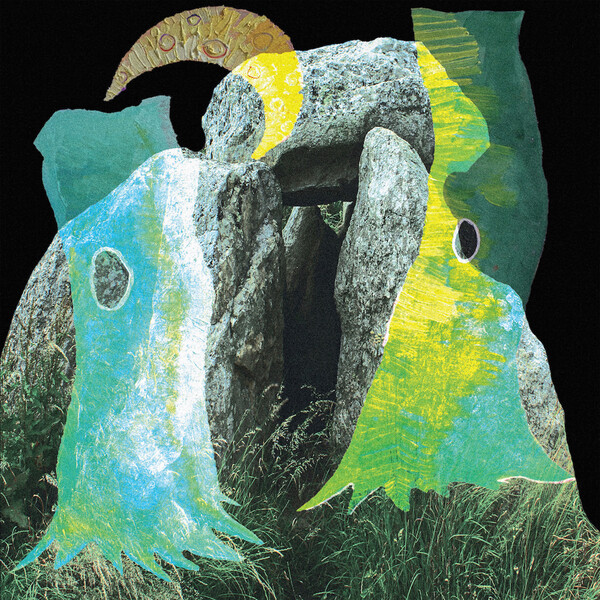
You know, it wasn’t so bad. I don’t have much to say to be honest. It goes for a very bold fusion of a lot of different genres and while I like the prog, alt and even electronic influence, they all combine together to just seem really, really plain.
Good album, but nothing to say about it more than that.
Piss in the Wind – Joji
4.2/10
Oh, Joji exists.
I never really got into his music when he was first hitting the scene back in the day but he’s certainly never made anything bad in my opinion. While a lot of his past excursions lack depth I think the singles made up for that and gave him a bit more longevity than he perhaps deserves. Why do I care about this record then? Well, because it’s my column and I’ll review what I please, thank you.
With an intriguing track:runtime ratio of 21 tracks across just 45-or-so minutes, one might assume that you’re being treated to a catalogue of ideas with each track a frenetic look at different emotions and musical experiments that Joji wants to show us. Instead, Joji took the Tame Impala “Deadbeat” route; offering us a surge of unfinished, shells of songs that wouldn’t be great even if they were polished up.
I listened to this album a few times. Not once did I register a song changing nor could I really remember any song’s name. The culprit– I believe– is Joji’s egregiously boring voice. I won’t call him a bad vocalist per se, but there’s really nothing interesting going on. For this genre that is fine (I begrudgingly admit) but even then, other R&B artists who keep their voices at a more consistent, relaxed tone just sound nicer than him. I mean to say this: his regular singing voice isn’t good enough to justify the lack of any flare in it.
The drum loops are also a total nightmare. They’re consistently off beat and extremely lame. They’re so boring that you barely even notice them which again– I understand is part of the alternative R&B genre, but when what you’re supposed to be focusing on is as derivative and snore-inducing as an album like “Piss In The Wind” is, it’s just another negative that’s drawn to my attention.
I don’t really care enough about this album to talk about anything else. I could go on and say how the tacky lyrics are still whining about the same things he was nearly a decade ago. I could talk about baby’s first chord progressions that seem to mark every verse, bridge and chorus throughout. I could even talk about how the album is called “Piss In The Wind”. Why is it called that, Joji? Is it because you wondered what people would think of the album after they’ve listened to it? If that’s the case– it may be the only thing he’s gotten so right in his career.
It’s not a good album by any stretch, it narrows on bad. At the end of the day though, it’s stuck in boring purgatory. Despite my criticism, there is one thing impressive about this album. How quickly it put me to sleep. Thanks Joji. I’ll spend the money I would have spent on melatonin buying a better album.
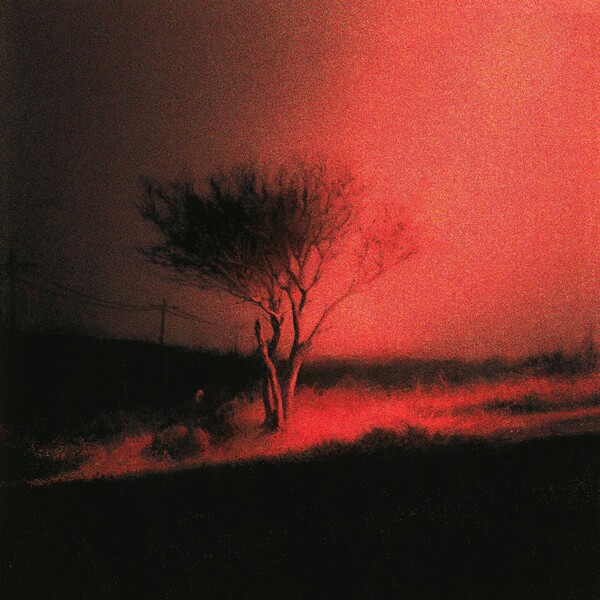
URGH – Many, Indiana
8.6/10
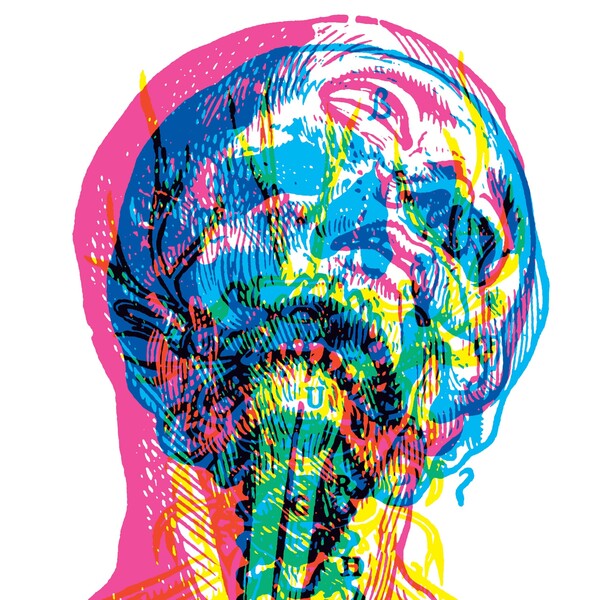
It may be early in the year– but I’m not afraid to say that I expect this album to be on my end-of-year lists already. It’s one of the most interesting, exciting and replayable records I’ve heard in the past few months. Its political message is as poignant and furious as the actual music is too, which always makes for a great time.
At just under 35 minutes, the album explores so many intriguing sound combinations, drawing inspiration from noise rock, electro-industrial and even some light hip hop inspiration along the way. The grind of the harsh noise plays excellently under the desperate, angry screams of lead vocalist Valentine Caulfield. While I love the experimental music, the vocals are what kept drawing me back to the album.
There’s some scratchy, high pitched autotune that you might expect from electro-industrial and while I normally dislike it (given it only accentuates bad vocals into worse vocals and these vocalists are not really that good to begin with) I actually loved its use here. Despite the autotune giving Caulfield’s voice a powerful, striking energy, her normal screaming also has quite a bit of power and strike to it. This gives you the feeling of traveling through Caulfield’s emotions as you start on the ringing, electronic exterior before stripping it down track by track until she’s just singing with no effects by the end.
That’s another thing I love here– the story and message. As someone who has zero experience living as a woman, I’ve really no place to speak on the uniquely-feminine cynicism we see here, but in an age as shockingly misogynistic as the modern era seems to be, there’s no better time for an album like this and these lyrics frankly hit like crack.
Take “try saying”, where she screams in French “We’re all looking for something, And I just wanted to be looked at, I would have preferred a more monotonous life”, which to me is about how much easier life would be to accept the misogyny and oppression that a woman faces and stop believing in equality.
“I’ll Ask Her” is perhaps the most obvious and poignant track here. The track opens with the message “This is a story about a boy, well, he’s a man really, but boys will be boys, you know how it is”. Caulfield then goes on to say that “And in town you’ve heard some rumours, but you know how they run their mouths, these fucking bitches”.
The rest of the track is mostly made up of disgusting accusations against this character, each one ending with “but they’re all fucking crazy man”. It does such a great job at describing the protection of rapists that happens in male-dominated circles like fraternities.
There’s some wider messaging here too, about other unjust parts of society. “Sicko!” featuring rapper Billy Woods (feels like he’s everywhere these days, no?) speaks on the glorification of violence in our society and how people almost get a thrill out of chasing violence, wanting to hear it in the headlines.
I touched on it a bit, but I do want to accentuate how great the music outside the vocals and excellent penmanship is. The electronic sounds capture that rusty, scraping aggression and half the time I had to double take whether a track featured a heavily distorted guitar, some kind of synth or both. The drums are pounding and really well mixed given how noisy the rest of the music is.
I don’t normally go for this genre, so perhaps to me it’s an above-average release and I’m rating it too highly. I, however, don’t care.
Marquee Moon – Television
9.4/10
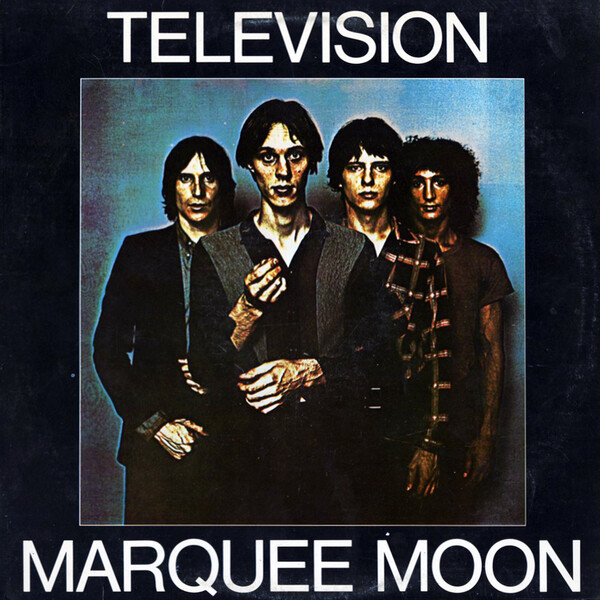
I will always bring up Television’s “Marquee Moon” if asked to describe my music taste in too few albums. Sure, there are plenty of records I like more than “Marquee Moon”, but the innovation and genre definition on display here is mind-boggling for the era and it’s one of those records that’s just quality track after quality track from start to finish. I’m actually looking at a copy of this record on my wall right now as I write this.
This album is rock music down to its absolute core– it’s everything you’d want from a proto-indie record. Playful vocals, catchy riffs and intricate but reserved rhythm section to chug it all forward. Art punk is a playful genre by nature– perhaps playful is the wrong word. Uneven? Angular, maybe? Think early Talking Heads. The music is bright, if a bit awkward, I mean to say.
Though the name would suggest otherwise, art punk draws heavily from genres other than punk. Of course, there’s the obvious post punk inspiration in the guitar tone and sly riffs– but it runs deeper than that. The solos are almost jazzy at times with their improvisational nature, non-traditional scale usage and even occasional polyrhythmicism. With the theatrical vocals and occasional synth flares there’s hints of glam in here too.
The riffs– my god, the riffs! Marquee Moon plays a cruel prank on the listener, you see. Each song features an almost-equally (we’ll get to why it’s almost-equal eventually) charming, catchy and exciting riff that not only gives each track a personality but can play endlessly and never get tiring. This forces the listener to listen to the album over and over again because the simple catchiness of each track gets so effortlessly lodged in their heads.
From the whirligig-esque arpeggios on “See No Evil”, to the slightly darker descending melody on “Friction”, the cutesy strumming on “Prove It”, there’s truly no shortage of quality motifs in each track.
Bandleader Tom Verlaine wrote virtually everything on “Marquee Moon”, and considering he was a former collaborator (and former boyfriend!) of fellow NYC-based punk pioneer Patti Smith, it’s clear he was a genius when it came to art punk. His genius lies not in the ability to write bombastic, over-the-top explosions of sound– but in the way to put everything into its perfect place.
His vocals are perhaps the closest thing to what you might expect from a “traditional” art rock album. Like I said before, they remind me a lot of David Byrne, of Talking Heads fame, and given that this record predates Talking Head’s debut by a few months, it’s not unreasonable to think Byrne took some inspiration from them. They’re fun, almost adventurous at times. Verlaine sounds like he’s so, so excited to sing to you but is struggling a bit. Again, the words elude me. Quirky, perhaps?
Remember how I mentioned that all the album’s riffs are “almost-equal” in quality? Well, that’s because there’s one that stands out far above the others. The titular “Marquee Moon” features a riff that’s so good, so catchy, so phenomenal in its simplicity that it plays on end for nearly the entire TEN minute track and does not even begin to feel worn-out by the end. This one song is almost jazz-like in structure– the main highlights are the long solo sections, which break up the verse/chorus structure.
This is one of those albums that’s so hard to pinpoint what I love about it because– forgive me for sounding like a broken record here– what it does well is so simple. One might listen to this album and not notice the subtle perfection of every element. Part of me loves the huge, larger-than-life sound walls on artsy albums– but this record proves that art rock isn’t what instruments are utilized, but how instruments are utilized. With just the standard lineup of two guitars, drums and bass– Verlaine managed to compose a masterpiece in art rock.
It’s precise, but not emotionally detached. It’s weirdly aloof; it’s decisive, somehow gentle and extremely enjoyable.