











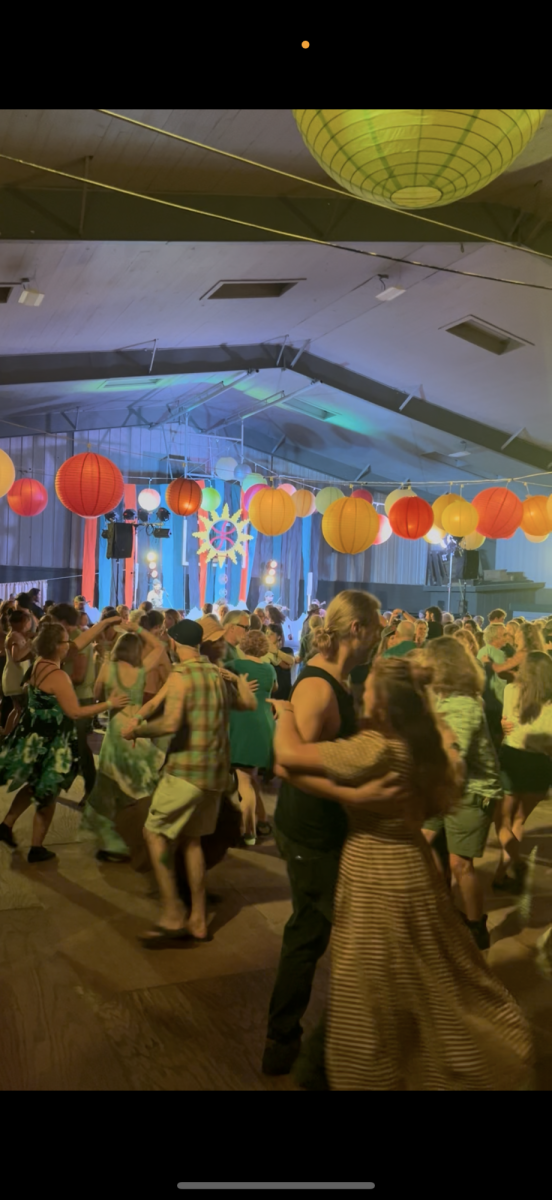
The Leaf Global Arts Festival opened its gates this fall with a theme that could not be more fitting: Resilience & Renewal. Exactly one year after historic flooding from Hurricane Helene forced the first cancellation in the festival’s three-decade history, LEAF returned to Lake Eden with a quiet sense of gratitude and purpose – the same grounds where lifelong attendees Katie and Fynn Eastridge had once taken refuge after losing their home in the flood.
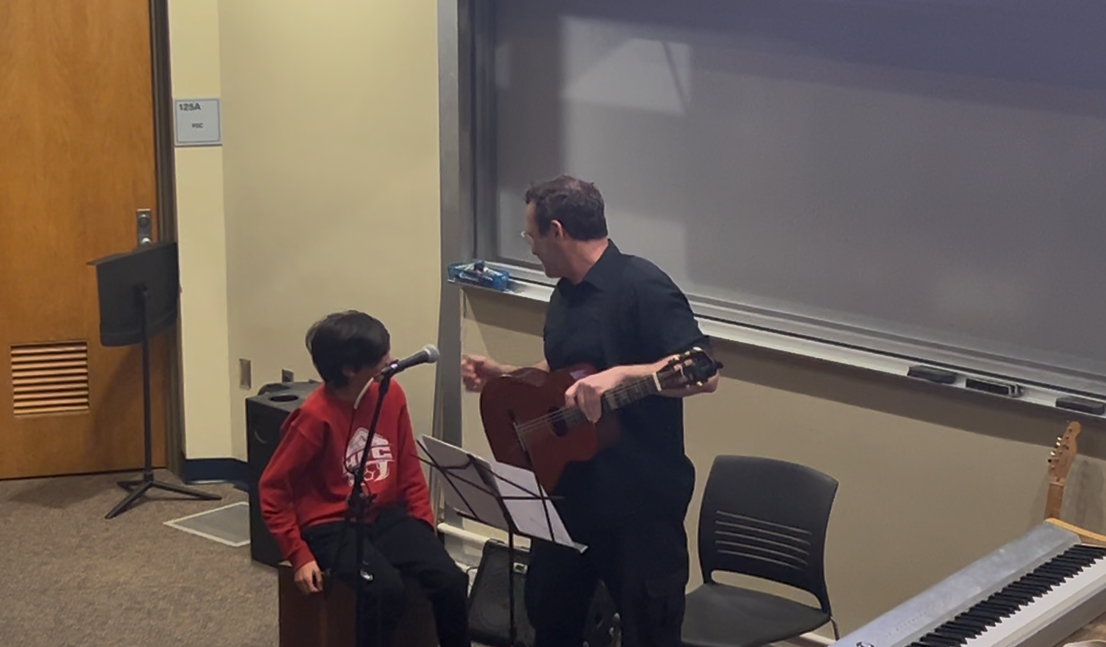
“We’ve been coming to LEAF since I was little,” said Fynn Eastridge, 15. “It’s always been our thing as a family – camping, listening to music, just being around people we know. When the hurricane hit and we lost our place, Jennifer told us we could stay here. It really showed what this place is about.”
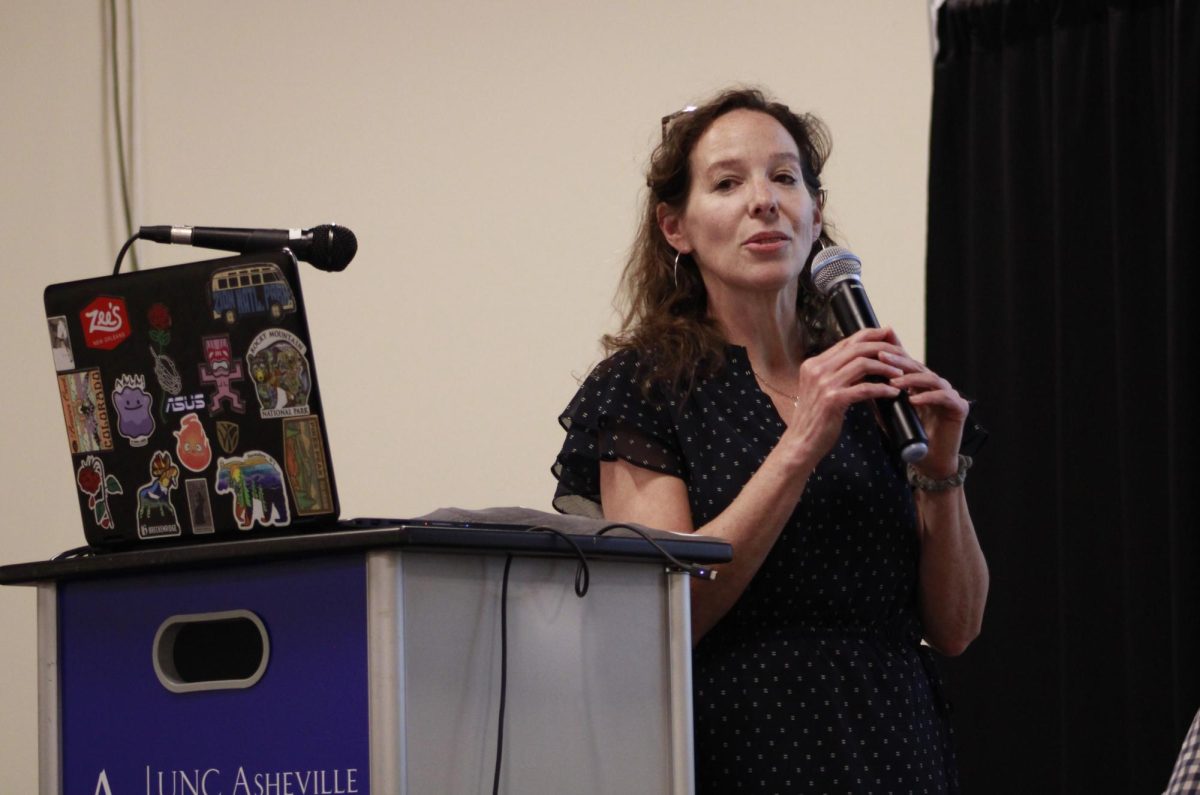
“LEAF gives back in ways people don’t always see,” Katie Eastridge said, her voice soft but sure. “Jennifer not only gave my family sanctuary on Lake Eden after the flood, but the festival also supports local vendors, artists and teachers.
She paused, as if what she was about to say felt too real to put into words.
“It’s not just a festival,” Estridge said. “It’s a nonprofit with a mission to connect cultures and create community through music, arts, education and experiences – to cultivate curiosity, preserve cultures and promote global understanding.”
LEAF, which is short for Lake Eden Arts Festival, founded by Jennifer Pickering in 1995, draws about 12,000 to 15,000 visitors twice a year to celebrate music, food and art from around the world. The nonprofit uses proceeds to fund its Schools & Streets Program, which brings international teaching artists into Asheville City and Buncombe County Schools.
According to the organization, those programs reach more than 6,000 students annually and contribute roughly $4.2 million a year to the local economy through tourism, vendor income and educational partnerships.
For UNC Asheville junior Juka Camara, a 21-year-old jazz-piano major from Rio de Janeiro, Brazil, this year’s festival was a dream and years in the making. Camara not only had the chance to perform for one of the largest audiences of his career but also to see a household name he’d grown up admiring – world-renowned bassist Victor Wooten.
“It was probably one of the most exciting but also relaxing shows I’ve ever done,” Camara said. “The crowd was big, but it didn’t feel intimidating — it felt like everyone was there to share something.”
Performing alongside classmate Kayla McKinney at Eden Hall, Camara looked out at the lake and said the moment felt like a milestone.
“I called my family that night,” he said. “They couldn’t believe it. Seeing Victor Wooten live — that’s something I’ll remember forever. It felt like everything connected — Brazil, here, my family, the music — all of it.”
For local artists like Teso McDonald, 27, LEAF remains one of the few venues where artists can be fully appreciated for what they do and surrounded by a community that understands why they do it.
“The crowd listens differently here,” he said. “They look you in the eyes. You can tell they care about the people making the sound.”
As the 30th anniversary made its debut, the smell of Lebanese food and brewed cacao drifted above the attendees and horns echoed through the trees. It was easy to forget how much had been rebuilt to make this moment possible. LEAF has weathered floods and pandemics, but the real endurance lives in the people who keep returning year after year.
“It’s special to see people from everywhere in one place,” Camara said. “When you play here, it’s not just for the crowd, it’s for something bigger.”
“After everything, being back here means more than I can really explain,” Katie said. “It’s the kind of place that reminds you people still care and that’s rare.”
Sources: LEAF Global Arts (2025); LEAF Schools & Streets Program (2025); WLOS News (2024, Oct. 2).